
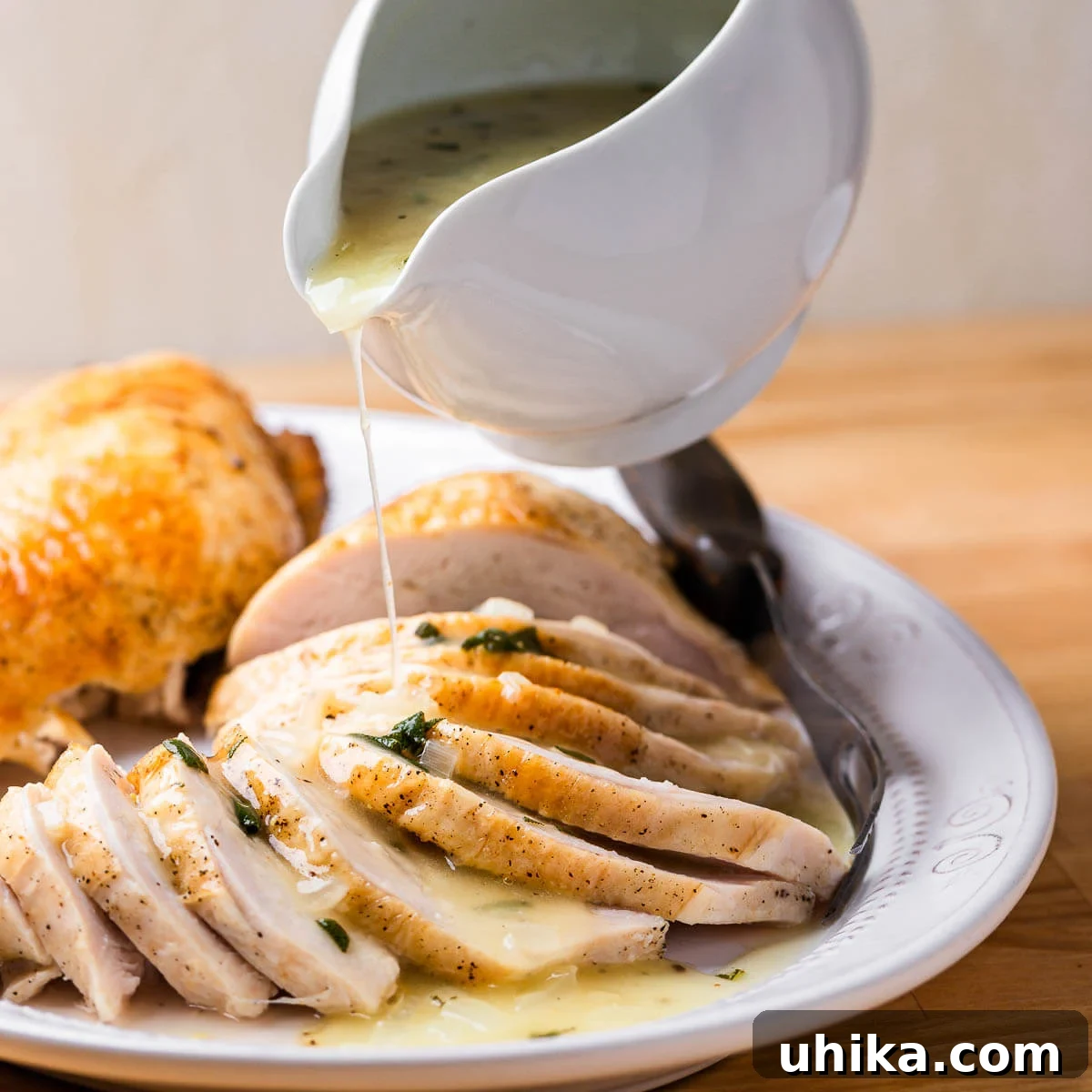
Making delicious homemade turkey gravy doesn’t have to be a daunting task that adds stress to your holiday preparations. Forget the notion that exceptional flavor requires Herculean effort. This incredibly easy turkey gravy recipe is designed for maximum flavor with minimal fuss, ensuring you achieve a perfectly thick, rich gravy in under 20 minutes.
Crafted with aromatic white wine, fresh sage, and the invaluable turkey pan drippings, this recipe utilizes cornstarch as its secret weapon for rapid thickening. Whether you’re hosting a grand Thanksgiving feast or a cozy family dinner, this quick and flavorful gravy will be the undisputed star of your table, leaving you more time to enjoy your guests and less time to fret in the kitchen.
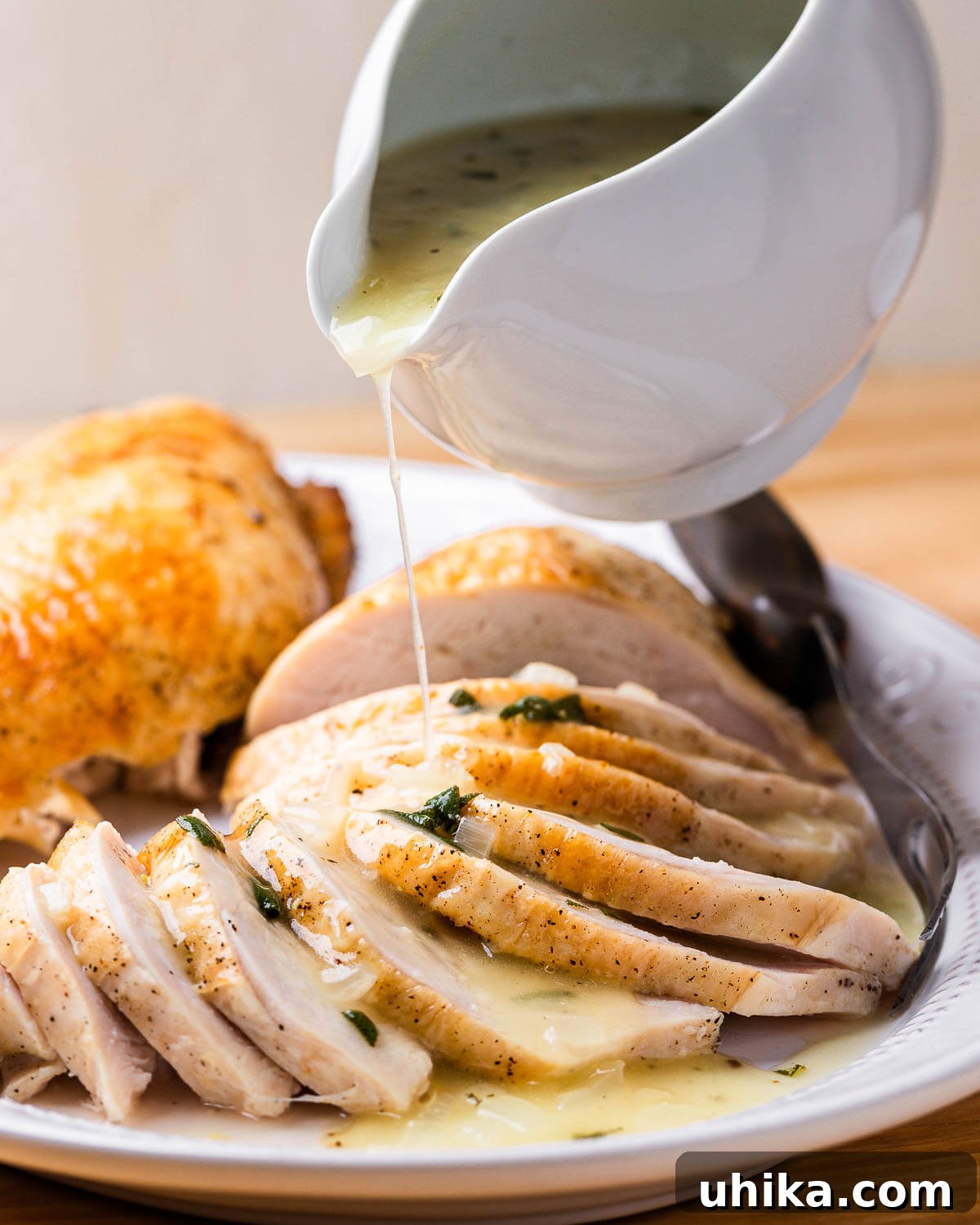
The Essential Sidekick: Why Gravy is a Must-Have
No Thanksgiving or holiday dinner would truly be complete without a generous pour of warm, savory gravy. It’s the comforting, unifying element that brings all the components of the meal together, from the succulent turkey to the fluffy mashed potatoes and savory stuffing. A good gravy elevates every bite, adding moisture, depth, and an irresistible richness.
However, when you’re orchestrating a large holiday meal, juggling multiple dishes and a house full of eager guests, efficiency becomes paramount. This is precisely where this easy turkey gravy recipe shines. It’s designed for those moments when you need to hit the “easy button” without compromising on taste or texture. You want a gravy that tastes like you spent hours on it, but takes mere minutes.
The Magic of a Cornstarch Slurry
The secret to this recipe’s speed and simplicity lies in the use of a cornstarch slurry. This ingenious thickening method allows you to transform your pan drippings and stock into a smooth, luscious gravy almost instantly. Unlike traditional flour-based gravies that require creating a roux and whisking constantly, a cornstarch slurry is quick, lump-free, and remarkably effective.
With so much inherent flavor coming from sautéed onions, dry white wine, fragrant sage, and the invaluable turkey pan drippings, nobody will ever suspect that you didn’t dedicate hours to crafting a more complex gravy. This recipe delivers a sophisticated taste profile with an incredibly straightforward approach, proving that “easy” doesn’t mean sacrificing flavor.
While more elaborate gravies certainly have their time and place, this particular recipe focuses on delivering an truly easy turkey gravy, perfect for busy hosts who want outstanding results with minimal effort. It’s ideal for those seeking a foolproof, last-minute gravy solution that tastes like it was prepared by a seasoned chef.
Understanding a Slurry: Your Quick Gravy Companion
Before diving into the recipe, let’s understand the star of our thickening show: the slurry. A slurry is simply a mixture of a liquid (usually cold water or stock) and a thickening agent, most commonly cornstarch or flour, blended together until smooth. This mixture is then added to a hot liquid, like our turkey drippings and stock, to rapidly thicken it.
Cornstarch is an exceptional thickener because its starch granules swell and burst when exposed to heat, absorbing liquid and creating a viscous texture. Because a slurry pre-mixes the thickener with cold liquid, it prevents the formation of lumps that can occur when dry starch is added directly to hot liquid. This makes slurries incredibly reliable and easy to work with for thickening everything from soups and stews to sauces and, of course, gravies. Always keep cornstarch on hand; it’s a versatile pantry staple for any home cook.

Crafting Your Perfect Easy Turkey Gravy: A Step-by-Step Guide
Making a flavorful, rich turkey gravy from scratch is surprisingly simple with this method. Follow these steps to create a show-stopping gravy that will impress everyone at your table.
1. Begin with Your Turkey Drippings
The foundation of any great turkey gravy starts with the pan drippings from your roasted turkey. Whether you’ve roasted a whole turkey or just a turkey breast, these golden, flavorful liquids are packed with savory goodness. If you roasted a turkey breast, you might have fewer drippings, which is perfectly fine. A whole roasted turkey will yield considerably more, often with a significant amount of fat. These drippings contain all the concentrated flavors of your turkey, herbs, and seasonings, making them an indispensable component for an authentic tasting gravy.
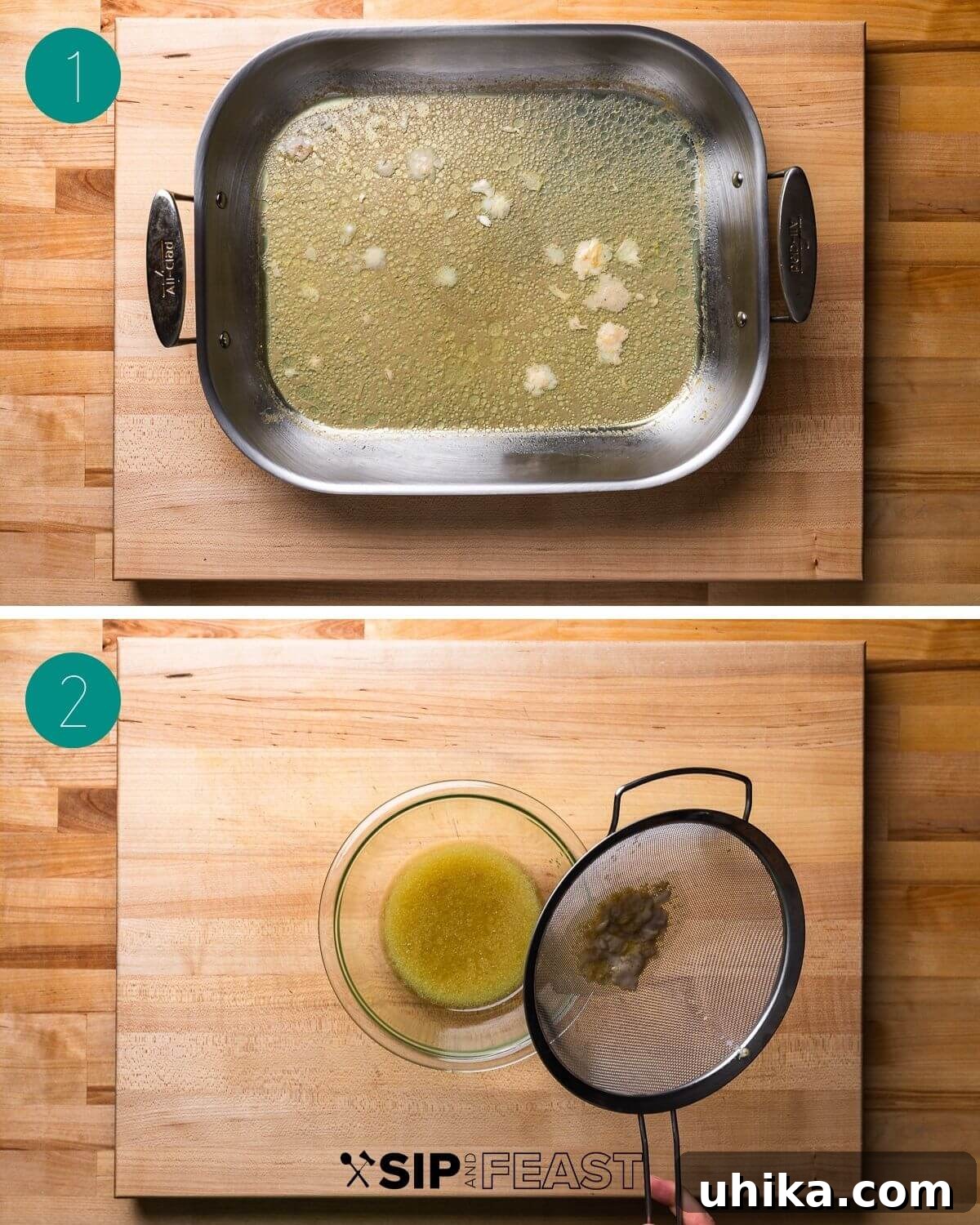
2. Strain and Combine with Stock
Carefully pour your turkey drippings into a heatproof measuring cup or bowl. If you desire a smoother gravy, strain the drippings through a fine-mesh sieve to remove any bits of turkey or herbs, which is especially recommended for whole turkeys with more debris. For turkey breast drippings, which are usually cleaner, straining might be optional if you don’t mind a few small specks of flavor. Next, add enough low-sodium turkey stock (or chicken stock if turkey stock isn’t available) to the strained drippings to achieve a total of 4 cups of liquid. This combination ensures a robust flavor base. If your drippings contain a lot of fat, you can use a fat separator tool to easily remove the excess, leaving you with just the flavorful liquid. Alternatively, pour the drippings into a cup, allow the fat to rise to the top, and carefully spoon it out before combining with the stock.
3. Sauté the Aromatics
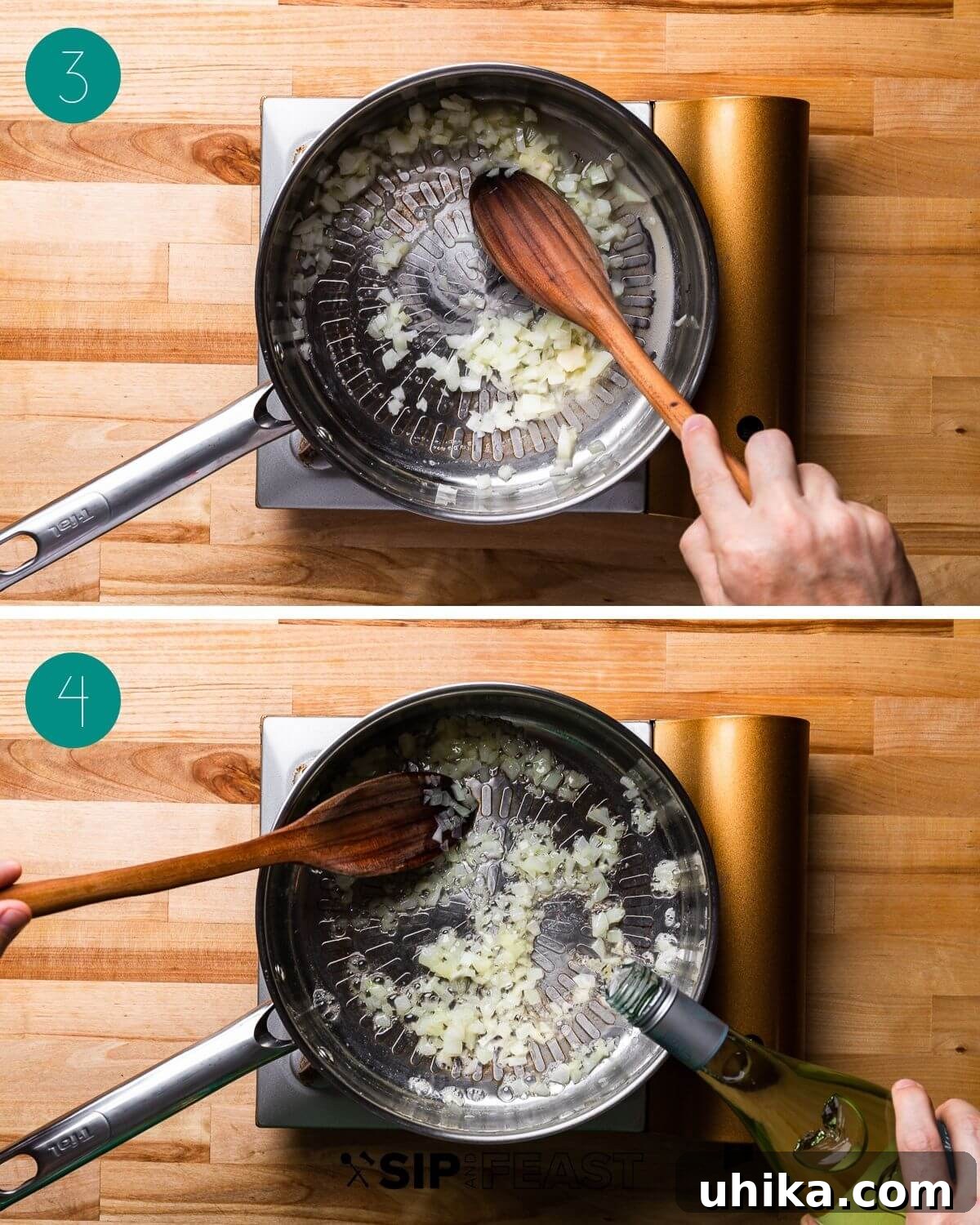
In a large saucepan or a high-walled frying pan, melt 2 tablespoons of unsalted butter over medium-low heat. Add ½ cup of finely minced onion to the pan. Sauté the onion gently, stirring occasionally, until it becomes translucent and very soft, which usually takes about 5-7 minutes. This step is crucial for building a foundational layer of flavor, as the softened onions release their sweet, aromatic compounds into the butter.
4. Deglaze with White Wine
Once the onions are soft, increase the burner to medium-high heat and pour in ¾ cup of dry white wine. Popular choices include Pinot Grigio, Sauvignon Blanc, or a dry Chardonnay. Allow the wine to simmer vigorously, scraping up any browned bits from the bottom of the pan with a wooden spoon. This process, known as deglazing, incorporates those flavorful caramelized bits into the gravy. Continue to cook until the wine has reduced by about half and the alcohol has cooked off, typically around 3 minutes. The reduction concentrates the wine’s flavor, adding a subtle tang and complexity to the gravy. If you prefer to omit wine, simply skip this step and proceed to the next, adding 3/4 cup of additional turkey stock instead.
5. Add Stock and Drippings
After the wine has reduced, carefully pour in the 4 cups of combined turkey stock and pan drippings. Stir everything together, bringing the mixture to a gentle simmer. This creates the full liquid base for your gravy, brimming with turkey flavor.
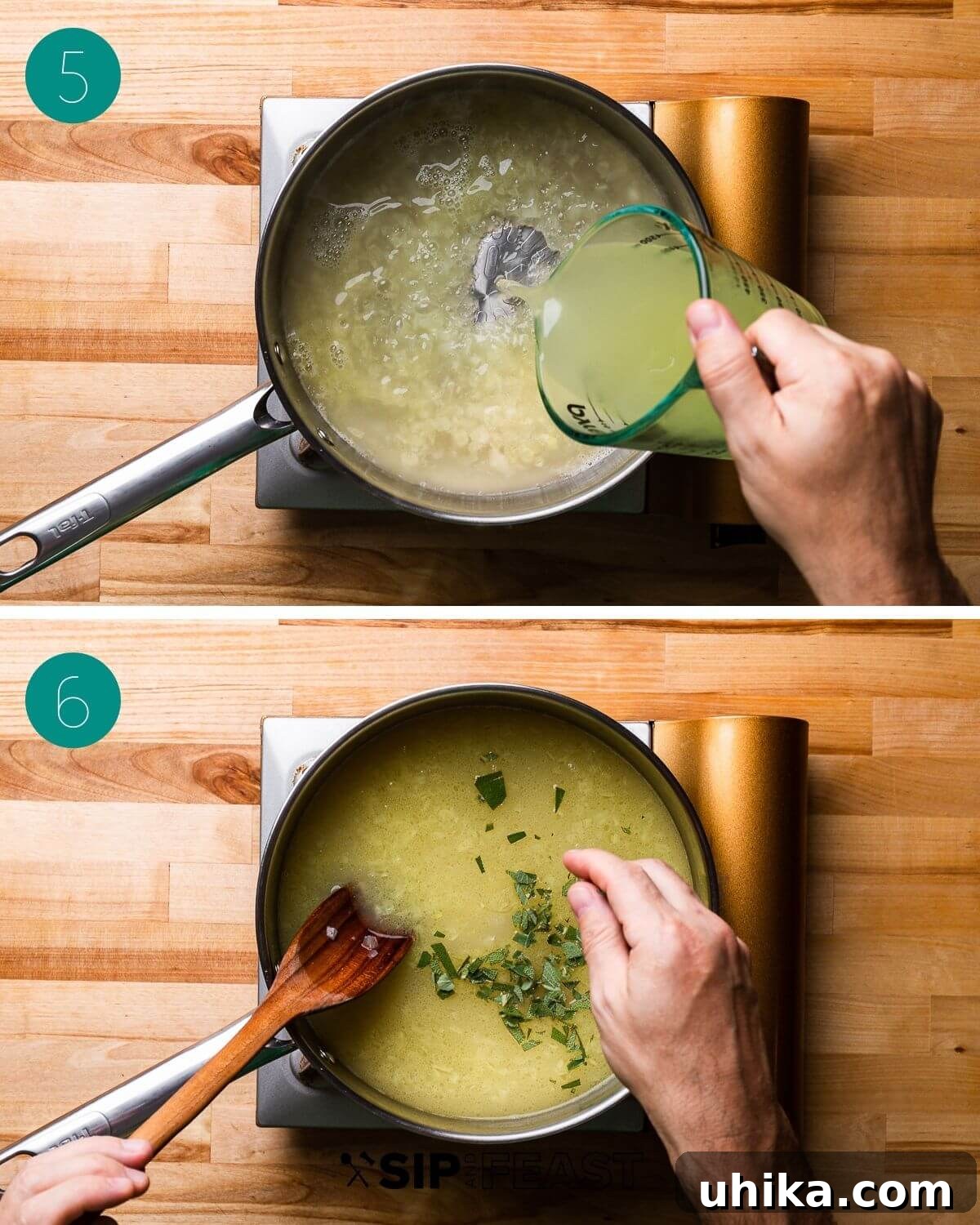
6. Incorporate Sage
Stir in 3 tablespoons of freshly chopped sage. Sage is a classic herb for turkey and adds a wonderful earthy, aromatic note to the gravy. If you prefer to have the sage flavor without visible pieces of herb in your finished gravy, you can add whole sage leaves at this stage and remove them just before serving. This infuses the gravy with flavor while maintaining a smoother texture.
7. Prepare and Add the Cornstarch Slurry
In a separate small bowl, whisk together ⅓ cup of cold water and ⅓ cup of cornstarch until a smooth, lump-free slurry forms. It’s crucial to use cold water for the slurry, as hot water can cause the cornstarch to clump. Once your gravy base is at a gentle simmer, slowly pour the cornstarch slurry into the pot while continuously stirring. Continue to stir gently but consistently.
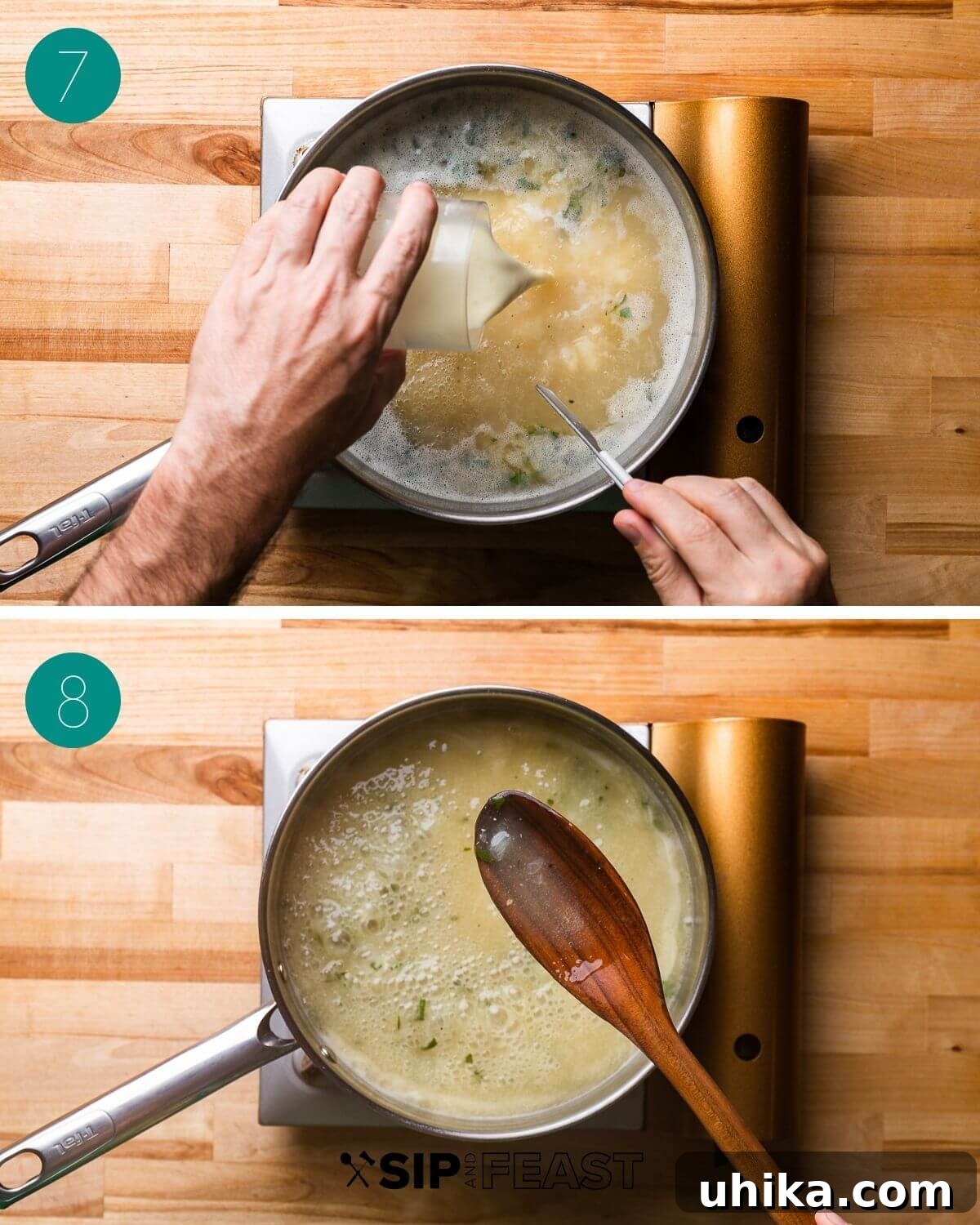
8. Thicken and Season
Continue stirring the gravy and allow it to cook at a gentle boil for just 1 minute. During this short period, the heat will activate the cornstarch granules, causing them to absorb the liquid and burst, thus thickening your gravy to a perfect consistency. Cornstarch-thickened gravies reach their full thickness very quickly, so avoid overcooking, which can cause them to thin out again. Remove the pot from the burner immediately after the minute of boiling. Taste the gravy and season generously with salt and freshly ground black pepper. The amount of salt needed will depend on the sodium content of your turkey drippings and stock, so adjust to your preference. This simple process yields a rich, flavorful, and perfectly thick turkey gravy ready to serve.
Beyond Cornstarch: Exploring Alternate Gravy Thickening Methods
While cornstarch gravies are celebrated for their speed and ease, it’s helpful to understand other thickening agents and their unique properties, especially for make-ahead planning.
The Nuances of Cornstarch-Based Gravies
Cornstarch-based gravies are best made right before serving the meal. Their rapid thickening makes them ideal for last-minute preparation, ensuring a fresh, velvety texture. However, a key characteristic of cornstarch is its tendency to thin out upon reheating. When cornstarch-thickened liquids are cooled and then reheated, the starch molecules can break down, leading to a thinner consistency. This phenomenon is similar to what you might observe with leftover Chinese takeout sauces, which are wonderfully thick initially but become watery after refrigeration and reheating.
If you do need to reheat cornstarch gravy, don’t worry! It’s usually a simple fix. Just bring it back to a gentle simmer and whisk in a little more cornstarch slurry (made with cold water) until it reaches your desired thickness again. This slight adjustment is a small price to pay for the initial convenience.
Flour-Based Gravies: The Traditional Approach
For those who prefer to make gravy in advance, a flour-based gravy offers more stability upon reheating. This is typically achieved by making a roux.
- Making a Roux: A roux is a cooked mixture of equal parts fat (such as butter, bacon fat, or pan drippings) and flour. The fat and flour are cooked over low heat until the raw, floury taste is completely gone. The cooking time will vary depending on the desired color of your roux (from white to blonde to dark brown, each lending a different flavor profile). Once your roux is ready, slowly whisk in your hot stock or drippings, maintaining a gentle simmer to prevent lumps. Continue whisking until the gravy reaches your preferred thickness and season to taste. Roux-based gravies develop a deeper, nuttier flavor and hold their consistency better after cooling and reheating.
- Flour Slurry: Similar to a cornstarch slurry, you can also create a slurry with cold water and flour, then drizzle it into your hot stock. However, a flour slurry requires a longer simmering time (about 10 minutes) compared to cornstarch to cook out the raw flour taste and achieve full thickening power.
Other Versatile Thickeners
Beyond cornstarch and flour, several other starches and ingredients can be used to thicken stock and drippings into delicious gravy:
- Arrowroot: A natural thickener derived from a tropical plant, arrowroot powder functions very similarly to cornstarch. It produces a clear, glossy gravy and is excellent for gravies that will be frozen, as it doesn’t break down like cornstarch. Use it in the same quantities as cornstarch.
- Potato Starch: Another effective starch-based thickener, potato starch also creates a clear, light gravy. It’s often used in gluten-free applications. Like arrowroot and cornstarch, it should be mixed with cold liquid before being added to hot gravy and cooked only briefly.
- Blended Vegetables: For a healthier, naturally thickened gravy, you can purée cooked vegetables like roasted onions, carrots, or even mushrooms, and whisk them into your stock. This method adds flavor, nutrients, and a rustic texture without relying on isolated starches.
When substituting, remember that arrowroot and cornstarch have comparable thickening powers, requiring approximately half the amount of flour to achieve the same consistency.
Perfect Pairings: What to Serve with Your Easy Turkey Gravy
If you’re whipping up this incredibly easy turkey gravy, chances are you’re preparing a magnificent turkey, whether it’s a whole bird or a succulent dry-brined turkey breast. Gravy is the ultimate accompaniment, but what else rounds out the perfect holiday meal? Here are some of our favorite Thanksgiving sides that pair beautifully with rich turkey gravy:
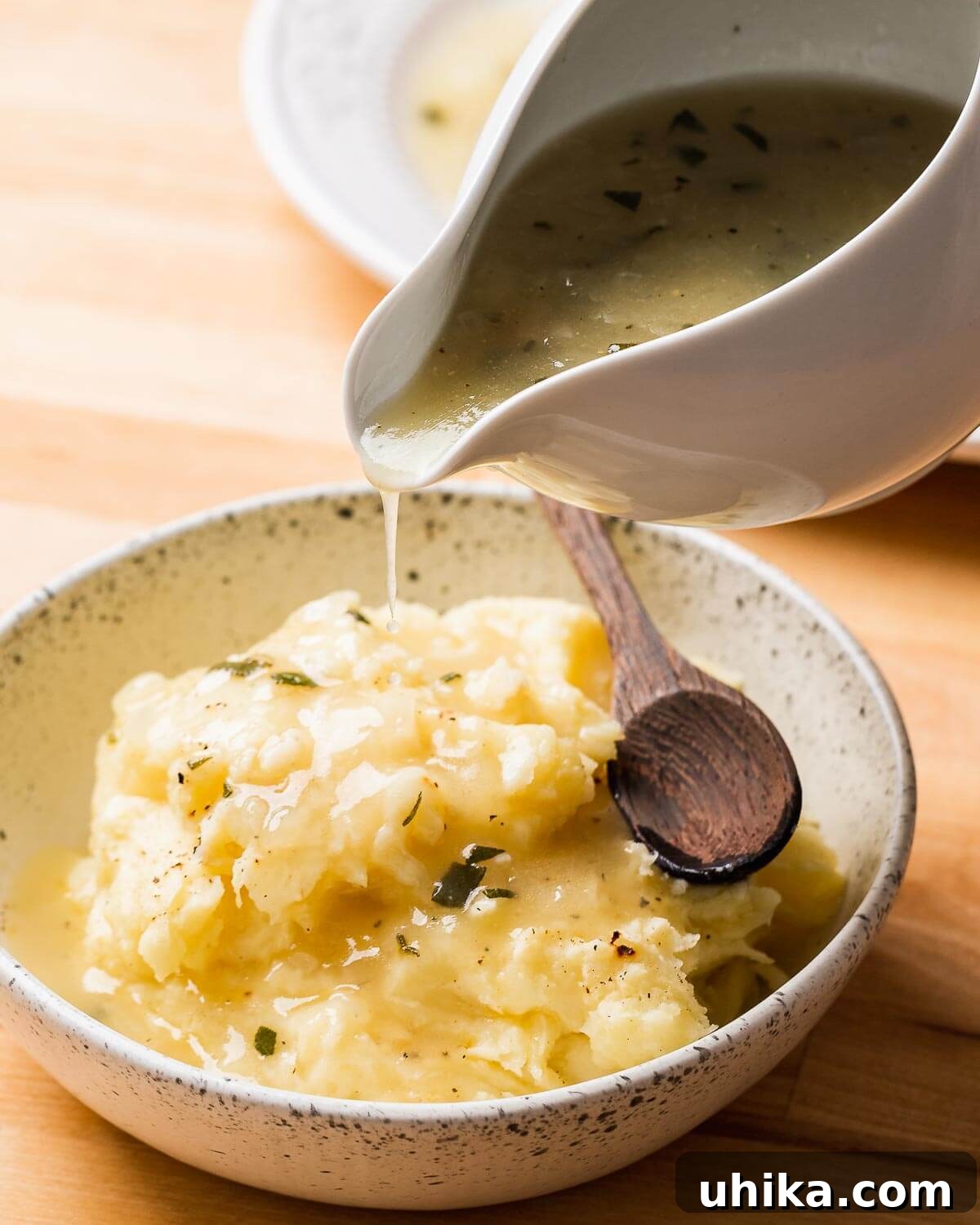
- Roasted Garlic Mashed Potatoes: Creamy, buttery, and infused with the sweet, mellow flavor of roasted garlic, these are arguably the best mashed potatoes you’ll ever taste – and they’re simply divine smothered in gravy.
- Sausage and Apple Stuffed Acorn Squash: A beautiful and flavorful side that could almost be a meal in itself. The savory sausage and sweet apples baked inside tender acorn squash provide a wonderful contrast to the turkey and gravy.
- Sage and Onion Stuffing: A classic holiday staple made with hearty country white bread, fragrant sage, and sweet onions. This stuffing soaks up gravy beautifully, offering a comforting and traditional flavor.
- Green Bean Casserole with Crispy Onions: A timeless favorite that adds a creamy, savory vegetable component to the feast.
- Cranberry Sauce: Whether homemade or store-bought, a tart cranberry sauce provides a bright, refreshing counterpoint to the richness of the gravy and turkey.
To truly complete your festive gathering, consider complementing your meal with delightful beverages. An apple cider old-fashioned offers a seasonal twist on a classic, while a pumpkin spice martini adds a touch of sophisticated festivity. For a lighter, crowd-pleasing option, a pitcher of white wine sangria with pears and apples is always a hit.
This easy turkey gravy recipe, along with these delicious pairings, is perfect for any Fall gathering, but an absolute must-have for your Thanksgiving celebration!
We love hearing from you! If you’ve enjoyed this easy turkey gravy recipe or any other recipe on our site, please consider giving it a 5-star rating and share your experience in the comments below. Your feedback helps others discover and enjoy these recipes too. Thank you for your support!
Stay connected and follow us for more delicious recipes and cooking tips on YouTube, Instagram, Pinterest, and Facebook.
Easy Turkey Gravy Recipe
Pin
Ingredients
- 4 cups strained turkey pan drippings and turkey stock see notes below
- 3/4 cup dry white wine optional
- 1/2 cup onion minced
- 2 tablespoons butter unsalted
- 3 tablespoons sage minced
- 1/3 cup corn starch
- salt and pepper to taste
Instructions
-
Heat a large saucepan to medium-low heat and saute the minced onion in the butter. Once the onion is soft (about 5-7 minutes) add the white wine and turn the burner to medium-high heat to reduce and cook off the alcohol.
-
After 3 minutes add in the liquid from the turkey stock and drippings. Add in 3 tablespoons of chopped sage.
-
Next, mix together the cold water and cornstarch to make a slurry. Add the slurry to the pot and cook for 1 minute to activate the cornstarch and thicken the gravy.
-
Remove the gravy from the heat and season with salt and pepper to taste. Enjoy!
Notes
- Save the pan drippings from roasted turkey breast (you won’t have much) or a roasted whole turkey. Use store-bought turkey stock to make up the difference for 4 full cups.
- A full turkey will have a lot of fat and drippings. If you don’t want all of the fat for the gravy you can use a separator and use as much or as little as you like.
- Wine can be omitted. If omitting the wine, use a bit less cornstarch (1/4 cup instead of a 1/3) since acids like wine can lower cornstarch’s thickening strength.
- Sage can be left whole, cooked in the gravy until serving, then removed.
- Flour can be substituted for the cornstarch slurry. You will need a half cup flour or more to equal 1/3 cup of cornstarch in regards to thickening power.
Nutrition
Nutrition information is automatically calculated, so should only be used as an approximation.
Like this? Leave a comment below!Check us out on Instagram at @sipandfeast or tag #sipandfeast!