
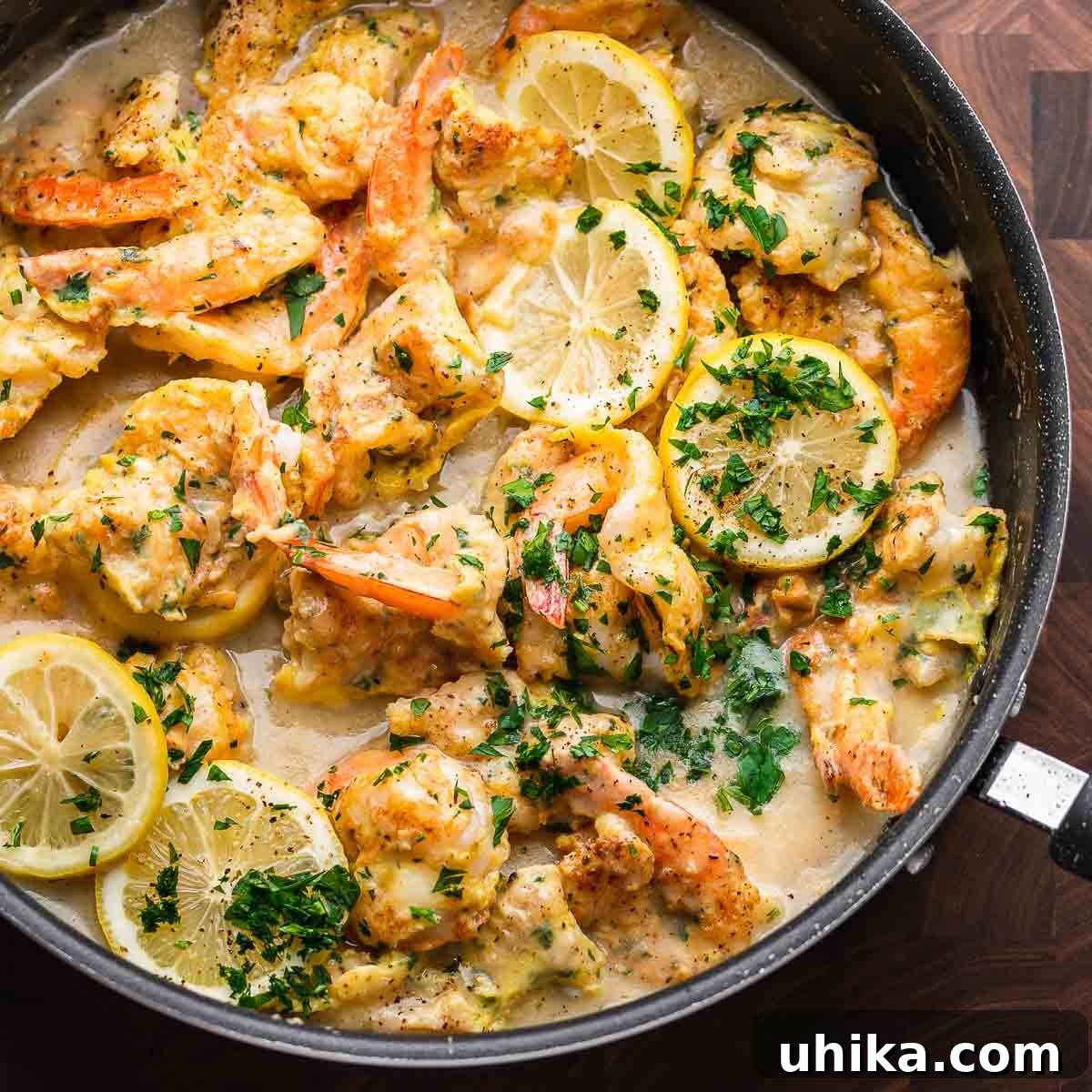
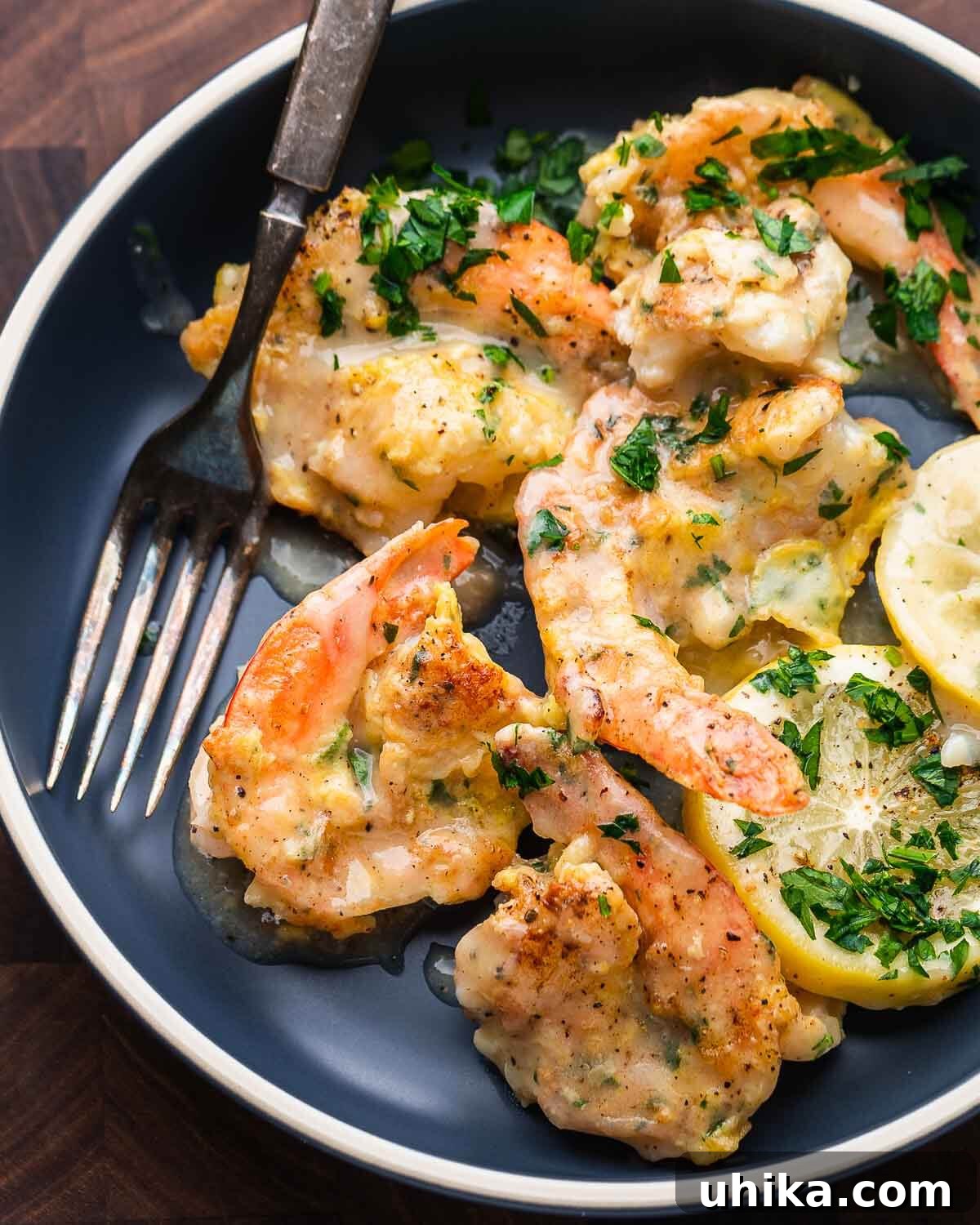
Shrimp Francese, also known as Shrimp Francaise, is a beloved classic in Italian-American cuisine. This exquisite dish features succulent shrimp, delicately coated in an egg batter, pan-fried to a golden crisp, and then simmered in a luscious, bright lemon-butter white wine sauce. Finished with a sprinkle of fresh parsley, it’s a remarkably simple yet incredibly elegant seafood meal that promises to impress. Whether you serve it alongside fluffy rice, savory linguine, or with a hearty piece of crusty bread, Shrimp Francese is a versatile and flavorful addition to any home cook’s repertoire.
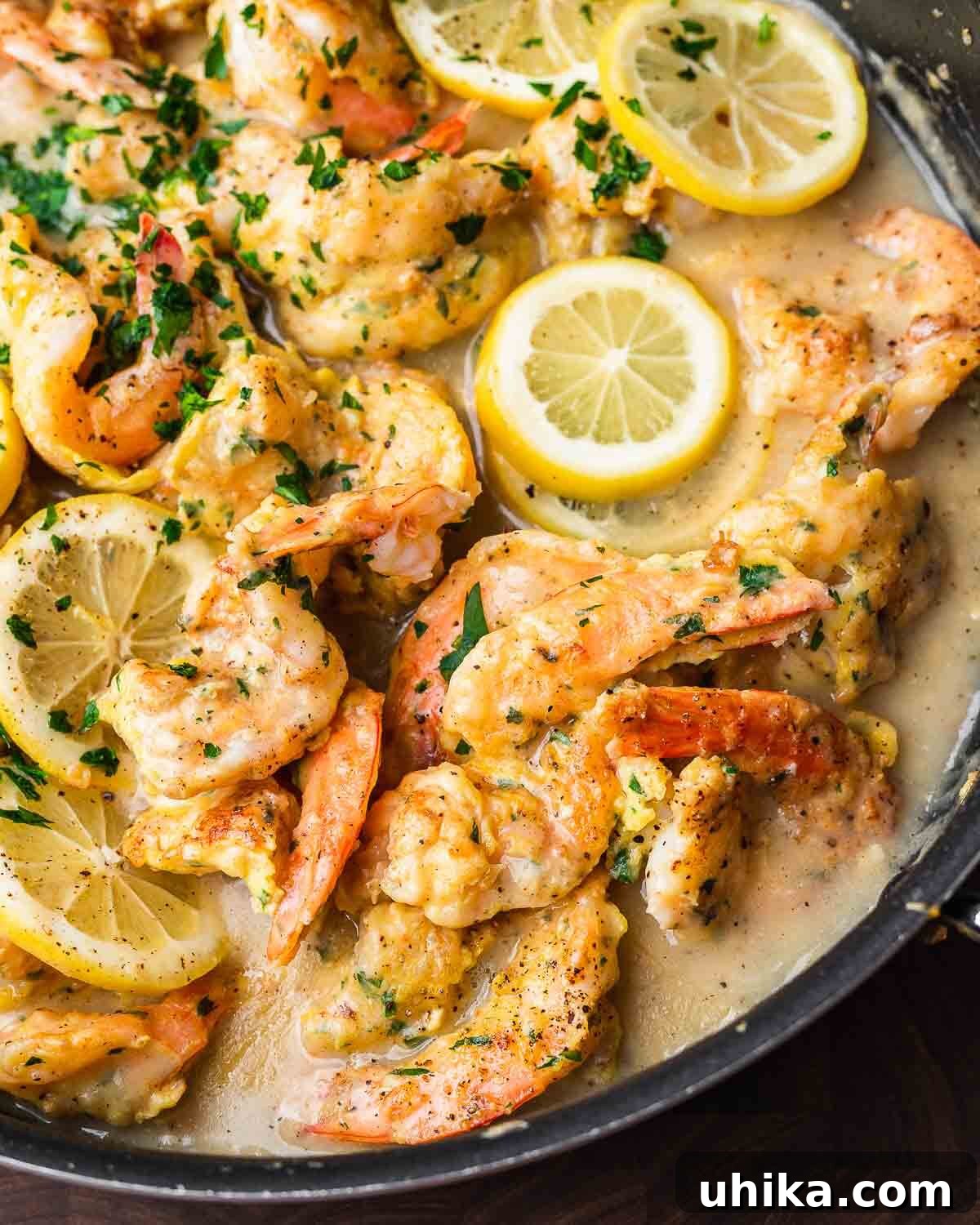
Embracing a Culinary Tradition: The Appeal of Shrimp Francese
For many, Shrimp Francese isn’t just a dish; it’s a cherished memory. Growing up, visits to local Italian restaurants often meant finding this delightful seafood offering prominently featured on the menu. It held its place among other Italian-American favorites like baked clams, shrimp parmigiana, and the spicy kick of shrimp fra diavolo. While restaurant versions are undoubtedly delicious, there’s a unique satisfaction in recreating this dish at home. The process is surprisingly straightforward, yielding results that often surpass your expectations and rival professional kitchens.
The beauty of Shrimp Francese lies in its balanced flavor profile – the tangy zest of lemon, the rich aroma of butter, and the subtle depth of white wine create a sauce that perfectly complements the tender, delicate shrimp. It’s a testament to how a few high-quality ingredients can come together to form a truly unforgettable meal. Beyond its exquisite taste, its quick cooking time makes it an ideal choice for weeknight dinners or when you want to prepare something special without spending hours in the kitchen.
Serving Suggestions to Elevate Your Meal
One of the many charms of Shrimp Francese is its adaptability when it comes to serving. For a truly classic experience, pairing it with a simple carb like fluffy rice pilaf or a generous helping of al dente linguine allows the flavorful sauce to shine. The pasta or rice soaks up every drop of that buttery, lemony goodness, making each bite a delight. And for those who appreciate the simple pleasure of dipping, a warm, crusty loaf of Italian bread is an absolute must. It’s perfect for scooping up the remaining sauce directly from the plate, ensuring not a single drop goes to waste.
To complete your meal, consider adding a vibrant green vegetable. Lightly sauteed options like broccoli rabe with a hint of garlic or tender spinach offer a refreshing contrast to the richness of the shrimp and sauce. These simple additions not only enhance the nutritional value but also provide a beautiful pop of color to your plate. And if you’re a fan of the Francese preparation and are craving something different, don’t miss our recipe for Chicken Francese – a equally delicious poultry alternative!
How to Make the Best Shrimp Francese at Home
Creating restaurant-quality Shrimp Francese at home is easier than you might think. This step-by-step guide will walk you through the process, ensuring a perfect dish every time. Pay close attention to the details, especially when preparing the shrimp and building the sauce, as these are key to achieving that signature Francese flavor.
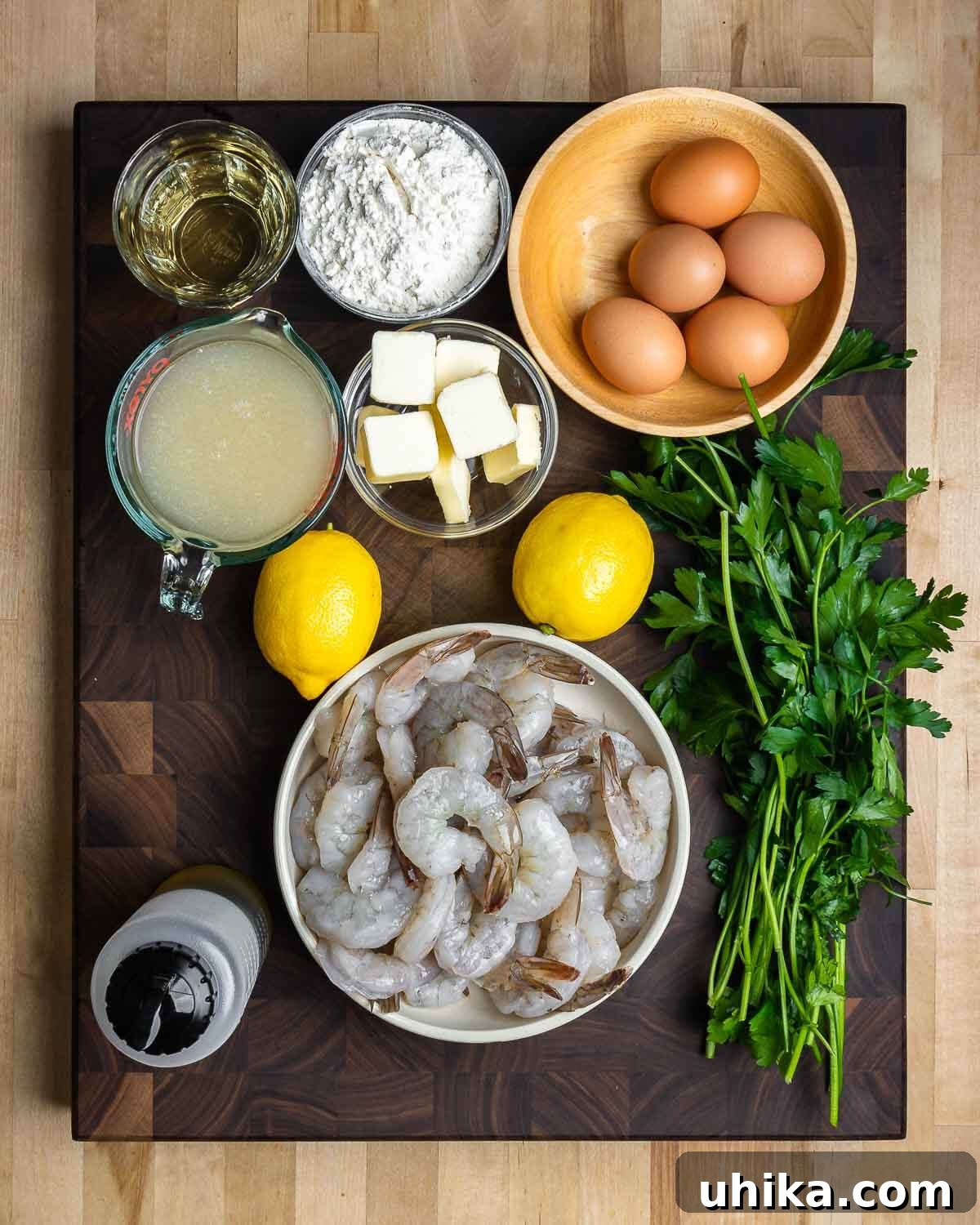
Key Ingredients You’ll Need:
- 1 1/2 pounds colossal shrimp (U15 count), cleaned, deveined, and butterflied
- 5 large eggs, beaten
- 1/4 cup olive oil
- 8 tablespoons butter, divided
- 3 cloves garlic, minced
- 1 cup all-purpose flour
- 3/4 cup dry white wine (e.g., Sauvignon Blanc, Pinot Grigio)
- 1 1/2 cups low-sodium chicken stock
- 1 large lemon, sliced (for garnish and flavor)
- 1 tablespoon fresh lemon juice
- Salt and freshly ground black pepper, to taste
- 1/4 cup fresh flat-leaf Italian parsley, minced and divided
Step-by-Step Instructions:
- **Prepare Your Mise en Place:** Mince 1/4 cup of fresh flat-leaf Italian parsley and 3 cloves of garlic. Slice 1 large lemon into thin rounds and juice another lemon to yield 1 tablespoon of fresh juice. Clean and devein 1 1/2 pounds of colossal shrimp (ideally U15 size for a substantial bite). For an enhanced experience, butterfly the shrimp by cutting almost all the way through lengthwise, then gently flattening them. Set up your dredging station with the prepared shrimp, a shallow bowl containing 1 cup of all-purpose flour, and another bowl with the 5 large beaten eggs mixed with half of the minced parsley.
- **Season and Dredge the Shrimp:** Thoroughly pat the shrimp dry with paper towels to ensure the batter adheres properly. Season both sides generously with salt and freshly ground black pepper. First, dredge the shrimp in the flour, shaking off any excess. It’s crucial to reserve 3 tablespoons of this dredging flour for later use in the sauce; the rest can be discarded after dredging all shrimp.
- **Coat in Eggwash:** Dip the floured shrimp into the eggwash, ensuring it’s fully coated.
- **Pan-Frying the Shrimp:** Heat a large nonstick pan over slightly less than medium heat. Add 2 tablespoons of olive oil and 2 tablespoons of butter. Once the butter is melted and sizzling, carefully add the egg-battered shrimp to the pan. Avoid overcrowding the pan; work in batches if necessary to ensure even cooking and a golden crust.
- **Cook to Golden Perfection:** Fry the shrimp for 1-2 minutes per side until they turn opaque and golden brown. If you butterflied the shrimp, try to fry them flat-side down first for an appealing presentation. Alternatively, removing the tails before frying can help them lay flatter. Once cooked, transfer the shrimp to a wire rack or paper towels to drain excess oil.
- **Repeat for Remaining Shrimp:** Continue the frying process for any remaining shrimp, adding more oil and butter as needed to maintain adequate cooking fat in the pan.
- **Building the Signature Sauce:** Once all shrimp are cooked and removed, wipe down the pan with a paper towel to remove most of the accumulated oil and any burnt bits, leaving a thin layer of residue for flavor. Add 3 additional tablespoons of butter to the pan. Once melted, add the minced garlic and cook until fragrant, about 1 minute, being careful not to burn it.
- **Create a Roux:** Sprinkle the reserved 3 tablespoons of flour (from the initial dredging) into the pan with the garlic butter. Whisk continuously over medium heat for about 30 seconds, or until the mixture is smooth and forms a light roux. This will thicken your sauce.
- **Deglaze and Simmer:** Pour in 3/4 cup of dry white wine. Increase the heat to high and bring the mixture to a boil, whisking constantly for 30-60 seconds to cook off the alcohol and deglaze the pan. Next, add 1 1/2 cups of low-sodium chicken stock and 1 tablespoon of fresh lemon juice. Bring to a boil again for 1 minute while whisking until the sauce begins to thicken.
- **Season the Sauce:** Reduce the heat to medium-low. Taste the sauce and adjust seasonings with salt and pepper as needed. This is your chance to balance the flavors to your preference.
- **Combine and Finish:** Gently return the cooked shrimp to the pan along with the lemon slices. Spoon the warm sauce over the shrimp, coating them thoroughly. Allow the dish to heat through and simmer for 3-4 minutes, letting the flavors meld beautifully.
- **Garnish and Serve:** Just before serving, stir in the remaining fresh parsley. Serve your exquisite Shrimp Francese immediately over rice, linguine, or with your favorite crusty bread. Enjoy!
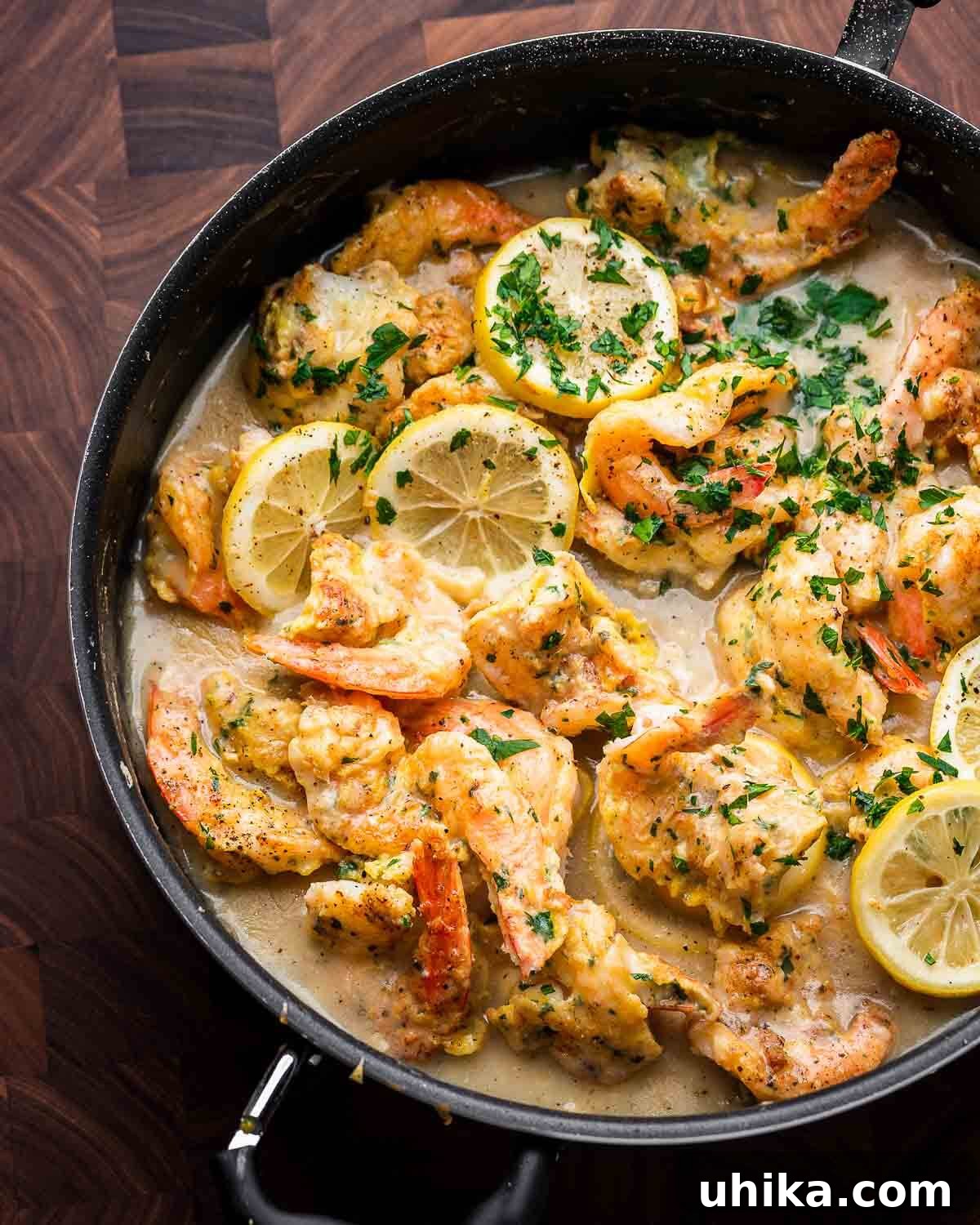
Expert Tips for the Perfect Shrimp Francese
- Choosing the Right Shrimp: For a truly satisfying Shrimp Francese, opt for colossal or jumbo shrimp (U15 count, meaning about 15 shrimp per pound). Larger shrimp hold up better to the cooking process, provide a more substantial bite, and offer more surface area for the delicious batter and sauce. Butterflying them is highly recommended as it not only looks more elegant but also creates more surface area for the egg wash and, consequently, more sauce-clinging goodness, similar to what you’d do for shrimp parmigiana.
- Selecting Your Wine: A dry white wine is key for the sauce. Sauvignon Blanc, Pinot Grigio, or even an unoaked Chardonnay work beautifully, lending a crisp, acidic note that balances the richness of the butter. If you prefer to cook without alcohol, you can simply omit the wine and use additional chicken stock or a splash of white grape juice with a little white vinegar for acidity.
- The Importance of a Nonstick Pan: This recipe truly benefits from a good quality nonstick pan. The delicate egg batter can easily stick to conventional pans, leading to frustration and a less appealing presentation. A nonstick surface ensures your shrimp fry up beautifully golden and release easily, maintaining their perfect coating.
- Don’t Overcook the Shrimp: Shrimp cook very quickly! Overcooked shrimp become tough and rubbery. Fry them just until they turn opaque and pink, 1-2 minutes per side. They will continue to cook slightly when returned to the sauce.
- Fresh Lemon is Non-Negotiable: The vibrancy of fresh lemon juice and slices is essential to Francese. Bottled lemon juice simply won’t deliver the same bright, fresh flavor.
Frequently Asked Questions About Shrimp Francese
What is the difference between Shrimp Francese and Shrimp Scampi?
While both are popular Italian-American shrimp dishes, they differ significantly. Shrimp Francese features shrimp dipped in an egg-flour batter and pan-fried, then served in a light lemon-butter white wine sauce. Shrimp Scampi typically involves shrimp quickly sautéed with garlic, butter, and olive oil, often with a splash of white wine, but without the egg batter coating. Scampi is generally simpler and relies more on the direct flavor of garlic and shrimp.
Can I make Shrimp Francese ahead of time?
While best served fresh, you can prepare the components partially in advance. The sauce can be made a day ahead and gently reheated. The shrimp can be cleaned and butterflied, but it’s best to batter and fry them just before serving to maintain their crispness. Reheating already cooked shrimp can lead to a tougher texture.
What if I don’t have white wine?
If you prefer to omit wine, you can substitute it with an equal amount of low-sodium chicken stock combined with a tablespoon of fresh lemon juice or white vinegar to mimic the acidity. The flavor profile will be slightly different, but still delicious.
How do I prevent the shrimp from becoming rubbery?
The key is not to overcook the shrimp. They cook very quickly, usually within 1-2 minutes per side. Watch them closely and remove them from the pan as soon as they turn pink and opaque. They will finish cooking when returned to the warm sauce.
Can I use frozen shrimp?
Yes, but ensure they are fully thawed and thoroughly patted dry before proceeding with the recipe. Excess moisture will prevent the batter from sticking and result in less crispy shrimp.
More Delicious Shrimp Recipes to Explore
It’s no secret that shrimp is a versatile and incredibly popular seafood, and we’re huge fans of it here! If you enjoyed this classic, you’ll love exploring other ways to prepare this fantastic ingredient. Here are a few more of our favorites that you might want to try next:
- Shrimp Oreganata – A flavorful dish featuring tender shrimp baked with garlicky breadcrumbs, bright lemon, and rich butter.
- Lemon Garlic Shrimp Pasta – A quick and vibrant pasta dish tossed with succulent shrimp, fresh parsley, zesty lemon juice, and aromatic garlic.
- Shrimp Alla Vodka – Indulge in al dente pasta served with plump shrimp in a creamy, luxurious pink vodka sauce.
Don’t hesitate to browse our entire seafood recipe category for even more inspiring ideas to bring to your kitchen!
If you’ve savored this Shrimp Francese Recipe or any other recipe on our site, we would love to hear from you! Please give it a 5-star rating and share your thoughts in the comments below. Your feedback helps us grow and inspires others to try these delicious creations.
We understand that everyone learns differently. If you are someone who prefers to learn by watching, many of our recipes are available as full-length video tutorials on our YouTube channel and Facebook Page.
For exclusive, never-before-seen FULL MEAL RECIPE VIDEOS and early access to content, consider becoming a Patreon member today!
Shrimp Francese
James Delmage
15 mins
25 mins
40 mins
4
Pin
Ingredients
- 1 1/2 pounds colossal shrimp cleaned, deveined, and butterflied – around U15 count
- 5 large eggs beaten
- 1/4 cup olive oil
- 8 tablespoons butter divided
- 3 cloves garlic minced
- 1 cup flour
- 3/4 cup dry white wine
- 1 1/2 cups low-sodium chicken stock
- 1 large lemon sliced
- 1 tablespoon lemon juice
- salt and pepper to taste
- 1/4 cup flat-leaf Italian parsley minced, divided
Instructions
-
Prepare a frying station with the butterflied shrimp, a bowl of flour, and a bowl with the beaten eggs and half of the parsley mixed in.
-
Heat a large nonstick pan to a touch lower than medium heat. Add 2 tablespoons of olive oil and 2 tablespoons of butter to the pan.
-
Dry the shrimp off with paper towels then season the shrimp with salt and pepper on both sides. Dredge shrimp into the flour, shake off the excess, and dip into the eggwash then add to the pan. Do not crowd the pan! Work in batches. Use more oil/butter as required for subsequent batches. Fry the shrimp for 1-2 minutes per side, then place on paper towels or a wire rack to drain. Reserve 3 tablespoons of the dredging flour for use later on.
-
Wipe the pan down and add 3 tablespoons of butter and the garlic and cook until fragrant (about 60 seconds). Next, add 3 tablespoons of flour to the pan and whisk over medium heat until smooth (about 30 seconds).
-
Add in the white wine, turn the heat to high, and bring to a boil for 1 minute while whisking. Next, add the chicken stock and lemon juice and again bring to a boil for 1 minute while whisking. Turn the heat down to medium-low. Taste test the sauce and adjust salt and pepper to taste.
-
Return the shrimp to the pan along with the lemon slices and gently coat the shrimp with the sauce. Heat through for 3-4 minutes while spooning the sauce over the shrimp.
-
Stir in the remaining parsley before serving. Serve over rice, linguine, or with crusty bread. Enjoy!
Notes
- This recipe can easily be made with flounder, cod, or scallops.
- Use a nonstick pan to avoid sticking.
- Leftovers can be stored for up to 3 days in fridge. Reheat in the oven at 325f covered until warm.
Nutrition
Carbohydrates: 28.4g |
Protein: 49.9g |
Fat: 44.3g |
Saturated Fat: 19g |
Cholesterol: 624mg |
Sodium: 685mg |
Potassium: 446mg |
Fiber: 0.8g |
Sugar: 0.9g |
Calcium: 198mg |
Iron: 3mg
Nutrition information is automatically calculated, so should only be used as an approximation.
Like this? Leave a comment below!
Check us out on Instagram at @sipandfeast or tag #sipandfeast!