
Table of Contents
- The Elegant Simplicity of Trout Meunière
- What is Meunière-Style Cooking?
- Why Trout is Perfect for Meunière
- Key Ingredients for a Flawless Meunière
- Expert Tips for Buying the Best Trout
- Mastering Trout Meunière: A Step-by-Step Overview
- Secrets to a Perfect Brown Butter Sauce Every Time
- Elevate Your Meal: Serving Suggestions
- Frequently Asked Questions About Trout Meunière
- Easy Trout Meunière (Printable Recipe)
The Elegant Simplicity of Trout Meunière
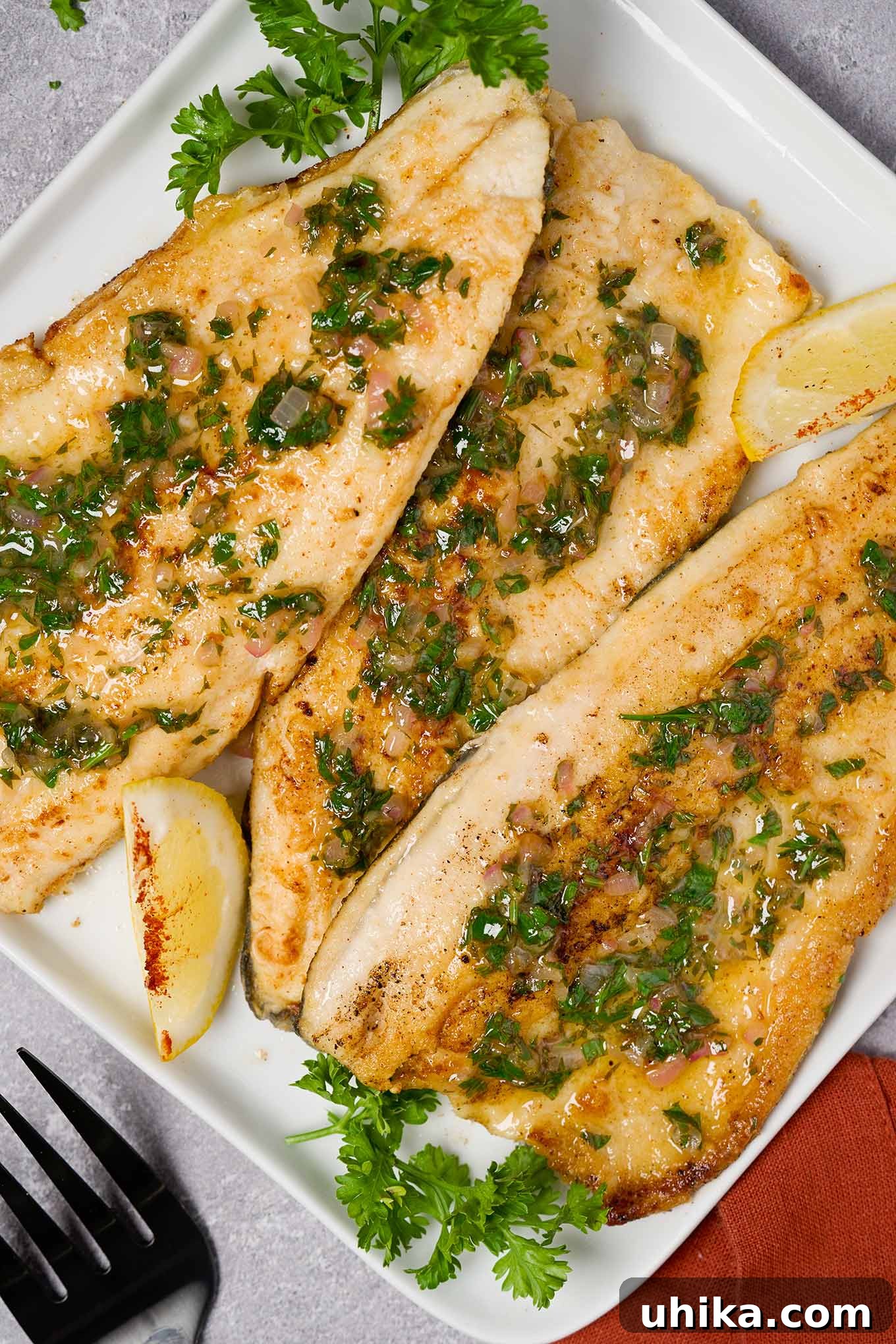
There’s something truly magical about transforming simple ingredients into a dish that tastes both sophisticated and comforting. Trout Meunière is a prime example, a classic French preparation that belies its elegant name with surprising ease. This delightful recipe takes delicate trout fillets and bathes them in a rich, nutty brown butter sauce infused with fresh lemon and parsley, creating an unforgettable culinary experience.
While the word “meunière” might conjure images of elaborate culinary techniques, its essence is rooted in simplicity and accessibility. It’s a testament to how humble ingredients, prepared with care, can yield extraordinary flavors. Our rendition of this classic dish adds a subtle depth with minced shallots, perfectly complementing the inherent sweetness of the trout and the bright acidity of the lemon.
What is Meunière-Style Cooking?
The term “meunière” is French for “miller’s wife,” a charming name that hints at the rustic origins of this cooking method. Traditionally, the miller’s wife would prepare freshly caught fish from the nearby stream by dusting it lightly with flour from her husband’s mill before pan-frying it in butter. This simple technique has evolved into a beloved culinary staple, primarily for delicate fish fillets, but also adaptable to other proteins.
At its core, the meunière style involves three key steps:
- Dredging: Lightly coating the food (most often fish) in seasoned flour. This thin coating creates a beautiful golden crust when cooked and helps protect the delicate flesh.
- Sautéing: Pan-frying the dredged food in butter until it’s perfectly cooked through and golden brown on both sides.
- Finishing with Brown Butter Sauce: Creating a quick, flavorful sauce by browning additional butter in the same pan, then whisking in fresh lemon juice and chopped parsley. This sauce is then drizzled over the cooked protein.
The result is a dish celebrated for its exquisite balance of textures and flavors: a tender interior, a crisp exterior, and a rich, tangy sauce that elevates every bite. It’s a dish that proves that sometimes, the most profound culinary pleasures come from the simplest traditions.
Why Trout is Perfect for Meunière
Rainbow trout, with its mild, slightly nutty flavor and delicate, flaky texture, is an ideal candidate for the meunière treatment. Its fillets are typically thin, allowing for quick cooking, which is crucial for preserving moisture and preventing overcooking. The simplicity of the meunière preparation truly allows the inherent qualities of the trout to shine, enhancing its natural taste without overpowering it.
Beyond trout, this versatile method works wonderfully with other delicate white fish such as sole, flounder, or even tilapia, as long as the fillets aren’t too thick. The light flour coating creates a protective barrier, ensuring the fish remains incredibly moist and tender, while the brown butter sauce adds a layer of richness and a burst of fresh, bright flavor from the lemon and parsley. This makes Trout Meunière not just a delicious meal, but also a fantastic entry point for those looking to cook more fish at home.
Key Ingredients for a Flawless Meunière
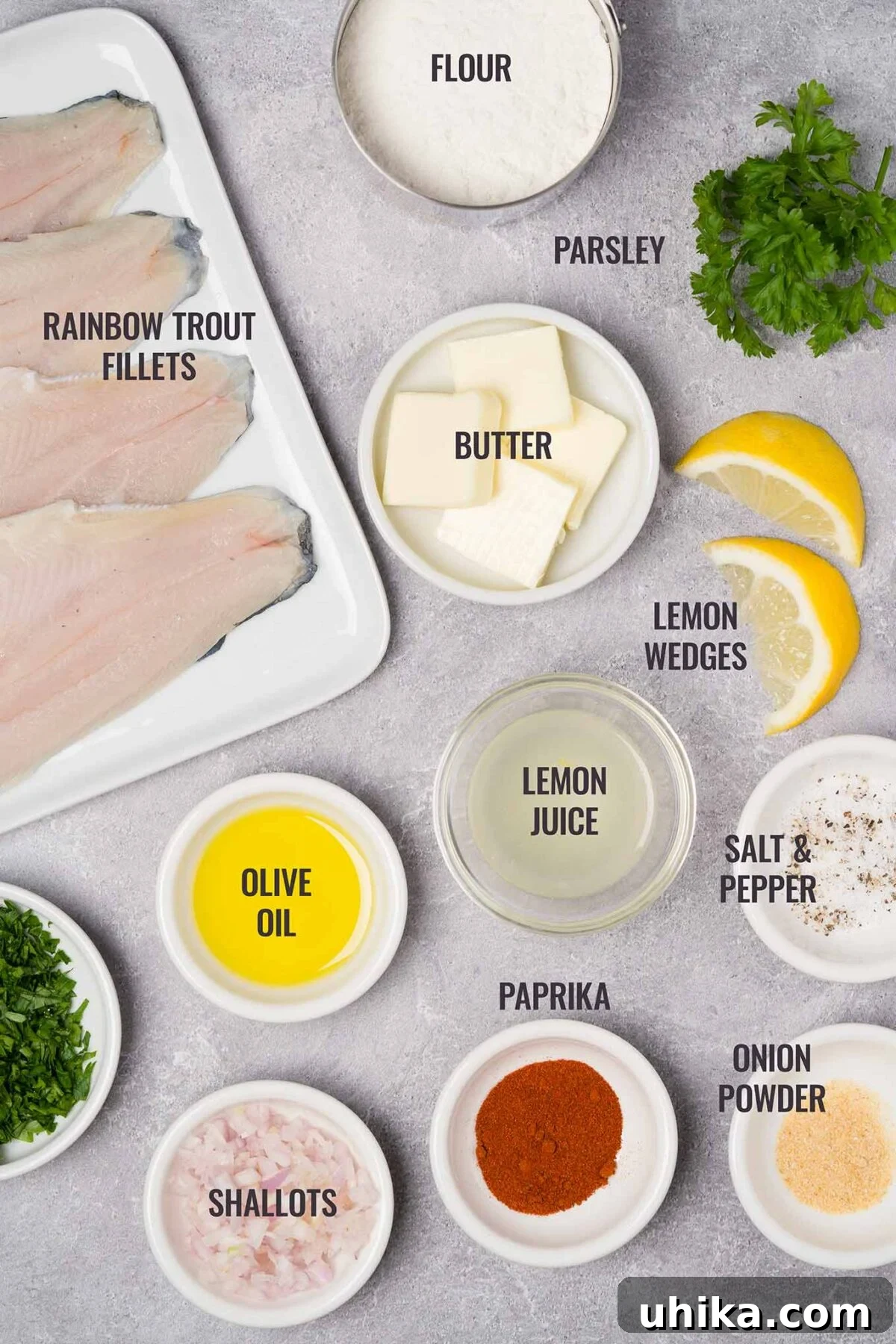
Crafting an exceptional Trout Meunière begins with understanding the role of each key ingredient. Here’s what you need to know to ensure the best flavor and texture in your dish. The complete list with exact quantities can be found in the detailed recipe card below.
-
RAINBOW TROUT FILLETS
Rainbow trout is our preferred choice for this recipe due to its delicate flavor and tender, flaky texture that cooks beautifully. It’s also widely available, often sold with the skin on, which helps keep the fillet intact during cooking and provides a lovely crispness if rendered properly. When selecting trout, look for fillets that are about 4 to 6 ounces each, as this size cooks quickly and evenly. Alternatives like sole, flounder, or even a thinner cut of tilapia work well, offering similar delicate profiles suitable for the meunière treatment.
-
THE ESSENTIAL FLOUR DREDGE & SEASONINGS
A simple yet effective blend of all-purpose flour seasoned with salt, black pepper, paprika, and onion powder forms the base of our dredge. The flour creates a light, crispy coating that protects the fish during searing and helps achieve that signature golden-brown exterior. Paprika adds a subtle color and mild sweetness, while onion powder provides an aromatic depth that complements the fish without overpowering it. This seasoning blend is crucial for building a foundational layer of flavor.
-
UNSALTED BUTTER: THE HEART OF THE SAUCE
Butter is undeniably the star of any meunière dish. We specifically recommend unsalted butter to give you full control over the dish’s saltiness. The initial butter is used for sautéing the fish, while the majority is reserved for creating the rich, nutty brown butter sauce (beurre noisette). This process involves gently cooking butter until its milk solids caramelize, developing a profound nutty aroma and a beautiful amber hue. This depth of flavor is irreplaceable in a classic meunière.
-
SHALLOTS: A SUBTLE AROMATIC BOOST
While not universally found in all meunière recipes, the addition of finely minced shallots is a delightful touch in our version. Shallots offer a milder, more refined onion flavor compared to regular onions, providing an aromatic sweetness that integrates seamlessly into the brown butter sauce. They lend an extra layer of complexity and savory notes that truly elevate the overall taste profile of the dish.
-
FRESH LEMON JUICE: BRIGHTNESS AND BALANCE
Freshly squeezed lemon juice is non-negotiable for an authentic and vibrant meunière sauce. Its bright acidity cuts through the richness of the butter, providing a crucial balance and preventing the dish from tasting heavy. The lemon adds a zesty, refreshing counterpoint that awakens the palate and enhances the delicate flavors of the trout. For an even more intense citrus aroma, a little fresh lemon zest can be added along with the juice.
-
FRESH PARSLEY: THE FINISHING TOUCH
Chopped fresh parsley serves multiple roles in Trout Meunière. Aesthetically, it adds a vibrant pop of color, making the dish visually appealing. More importantly, its fresh, herbaceous, slightly peppery flavor provides a clean finish to the rich sauce, brightening the overall profile. Always opt for fresh parsley over dried for the best results, as its aromatic qualities are essential to the dish’s final taste.
Expert Tips for Buying the Best Trout
The success of your Trout Meunière largely depends on the quality of your fish. Choosing fresh, high-quality fillets ensures the best flavor and texture. Here’s what to look for when purchasing trout:
-
Understanding Rainbow Trout Fillets
Rainbow trout is the most commonly farmed species and thus the easiest to find. Fillets are usually sold skin-on, weighing approximately 4 to 6 ounces each, and display a characteristic pinkish hue in their flesh. The skin provides a protective layer during cooking and, when crisped, adds a wonderful textural contrast.
-
Indicators of Freshness
- Appearance: Fresh trout fillets should appear moist, glistening, and firm. Avoid any fish that looks dry, dull, or has discolored spots.
- Smell: The fish should have a clean, mild, almost briny scent – like the ocean or a fresh river. Any strong, “fishy” or ammonia-like odor is a clear sign that the fish is past its prime.
- Texture: When gently pressed with a finger, fresh fish flesh should spring back immediately. If it leaves an indentation, it’s not as fresh as it could be.
-
Sustainable Sourcing
When possible, look for trout that has been sustainably sourced. Organizations like the Monterey Bay Aquarium Seafood Watch provide helpful guides for making environmentally responsible choices, ensuring that your delicious meal also supports healthy oceans and waterways.
-
Storing Fresh Trout
Once purchased, store fresh trout fillets tightly wrapped in plastic wrap or an airtight container in the coldest part of your refrigerator, preferably nestled in a bowl of ice. Aim to use them within 1 to 2 days for optimal freshness and flavor.
-
Working with Frozen Trout Fillets
If opting for frozen trout, ensure the package is tightly vacuum-sealed without any visible ice crystals or signs of freezer burn, which indicate improper storage and can affect quality. To defrost, transfer the fillets to the refrigerator overnight. Once thawed, use them within a day, following the same freshness guidelines.
Mastering Trout Meunière: A Step-by-Step Overview
Preparing this elegant dish is simpler than you might think. This quick overview highlights the essential stages, giving you a clear path to follow. For comprehensive, step-by-step instructions with precise measurements, refer to the printable recipe card provided below.
-
Preparation and Dredging the Fish
Before you begin searing, preheat your oven to a low temperature (around 200°F) and line a baking sheet with foil. This will be your holding station to keep the first batches of fish warm while you cook the rest and prepare the sauce. Next, prepare your dredging station by combining flour with a strategic blend of salt, pepper, paprika (for color and mild flavor), and onion powder in a shallow dish. Carefully dredge each trout fillet, ensuring it’s evenly coated, then gently shake off any excess flour. This thin, uniform coating is key to a beautiful crust and prevents the fish from absorbing too much oil.
-
Pan-Searing to Golden Perfection
Heat a large, heavy-bottomed frying pan over medium-high heat. The combination of olive oil and a portion of the unsalted butter provides the ideal fat for searing, offering both a high smoke point and rich flavor. Once the butter begins to sizzle, carefully place two trout fillets, skin-side up, into the pan. This allows the skin to crisp nicely as the flesh cooks. Sear for just 1 ½ to 2 minutes per side until each fillet is golden brown and cooked through. Overcrowding the pan can lower the temperature and lead to steaming rather than searing, so cook in batches if necessary. As each batch finishes, transfer them to your preheated baking sheet in the oven to stay warm.
-
Crafting the Exquisite Brown Butter Sauce
With the fish kept warm, it’s time for the star of the show: the brown butter sauce. Reduce the pan heat to medium. Start by sautéing the minced shallots in a tablespoon of butter until they are soft and translucent, typically around 1 ½ minutes. This step infuses the sauce with a delicate, savory aroma. Then, add the remaining butter to the pan. Watch carefully as it melts and begins to foam. The key is to allow the milk solids to sink to the bottom and toast to a light golden-brown color, releasing a distinct nutty aroma. Immediately remove the pan from the heat to stop the cooking, then whisk in the fresh lemon juice and chopped parsley. The lemon juice not only adds brightness but also helps to halt the browning process. Drizzle this glorious sauce generously over your warm trout fillets, garnish with lemon wedges, and serve immediately.
Secrets to a Perfect Brown Butter Sauce Every Time
The brown butter sauce, or beurre noisette, is the soul of Trout Meunière. Mastering this simple yet transformative technique will elevate not only this dish but many others. Here are crucial tips to ensure your brown butter is always perfect:
-
The Right Pan Matters
For making brown butter, a light-colored pan is your best friend. The pale interior allows you to clearly monitor the subtle color changes of the butter as it browns. In a dark pan, it’s incredibly difficult to distinguish between perfectly toasted milk solids and those on the verge of burning, making a light-colored pan a valuable tool for precision.
-
Start with Cold Butter, Cut Evenly
Begin with cold butter that has been cut into evenly sized pieces. This allows the butter to melt at a more consistent rate, promoting even cooking and reducing the likelihood of some pieces browning too quickly while others are still melting. Even melting is the first step towards even browning.
-
Vigilance is Key: Understanding the Browning Stages
Making brown butter is a quick process that requires your undivided attention. It progresses through distinct stages: First, the butter melts and begins to foam. During this phase, the water content in the butter is evaporating. As the foam subsides, the milk solids will sink to the bottom of the pan and begin to change color, from white to golden, then to amber. Stirring occasionally or gently swirling the pan ensures these milk solids brown uniformly and don’t stick to the bottom.
-
Knowing When to Stop: The Golden Moment
The transition from perfectly browned to burned butter happens in mere seconds. The ideal moment to remove the pan from the heat is when the milk solids have developed a light, golden-brown color and a distinct, nutty, toasted aroma fills your kitchen. If it smells burnt or turns dark brown, it’s gone too far. Trust your nose and eyes – when it hits that beautiful golden hue and fragrant smell, it’s done.
-
Don’t Overcrowd the Pan When Searing Fish
While technically a tip for searing fish rather than the butter itself, it’s crucial for the overall success of the dish. When cooking your trout fillets, avoid the temptation to overcrowd the pan. Doing so lowers the pan’s temperature, causing the fish to steam rather than sear. This results in a less crispy exterior and can prevent that beautiful golden crust, leading to a duller final dish. Cook in batches, leaving enough space between fillets for proper heat circulation.
Elevate Your Meal: Serving Suggestions
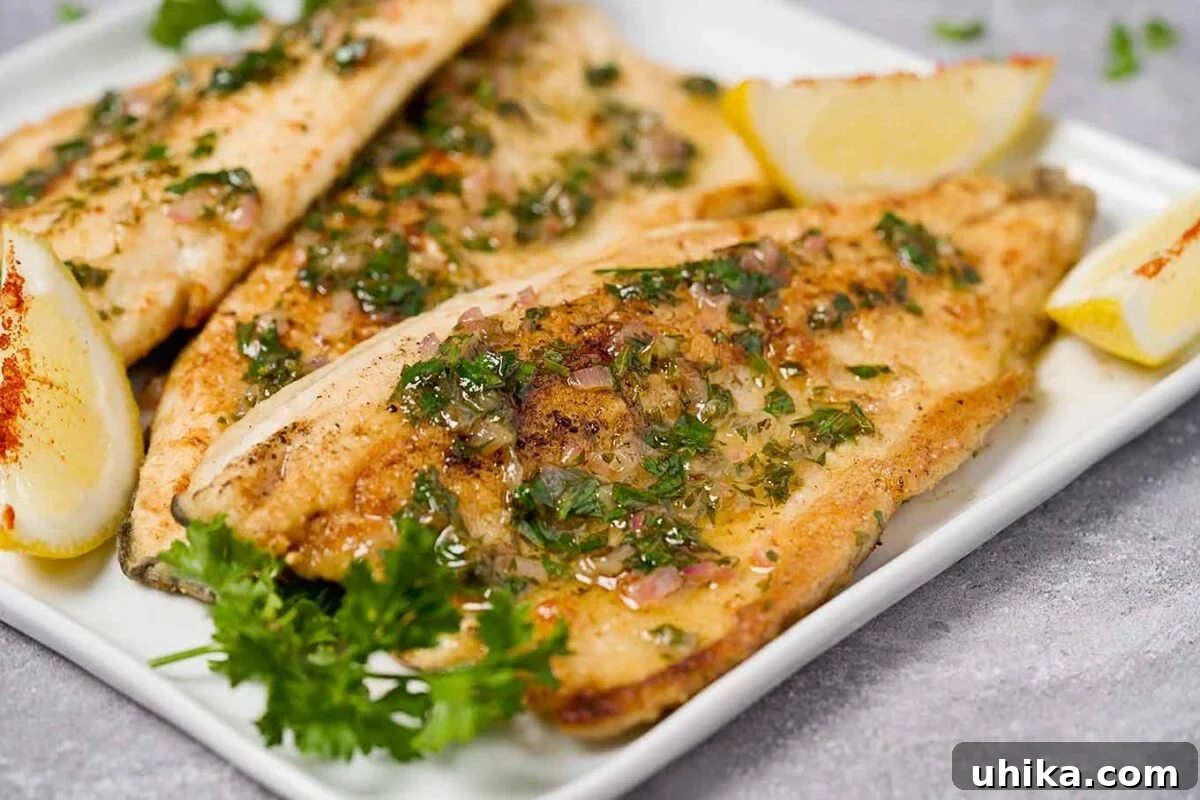
Trout Meunière is a star dish on its own, but its delicate flavors truly shine when paired with complementary side dishes. The key is to choose accompaniments that balance its richness and brightness without overwhelming the fish. Here are some ideas to create a complete and satisfying meal:
-
Classic Starchy Sides
Creamy elements provide a wonderful contrast to the crisp fish. Our favorite pairing is a generous serving of luscious mashed potatoes, which soak up the exquisite brown butter sauce beautifully. Alternatively, light and fluffy rice pilaf or even a simple quinoa can serve as excellent bases. For those who love a bit of texture, crispy oven-roasted potatoes are a fantastic choice, adding a hearty element to the plate.
-
Vibrant Vegetable Pairings
To cut through the richness and add a fresh, vibrant element, green vegetables are ideal. Roasted asparagus with lemon butter is a perfect match, echoing the citrus notes in the meunière sauce. Steamed green beans tossed simply with a pat of butter, a hint of honey, and a squeeze of fresh lemon offer a quick and delicious side. Other great options include sautéed spinach with garlic, blanched broccoli florets, or even a light spring salad with a vinaigrette dressing.
-
Quick Weeknight Solutions
For those busy weeknights when time is of the essence, convenience doesn’t mean sacrificing flavor. Grab a package of pre-prepared mashed potatoes from your local gourmet market, and while they’re heating, quickly steam some fresh green beans. Toss the beans with a dab of butter, a touch of honey for sweetness, and a final squeeze of lemon to tie everything together. This effortlessly creates a balanced and satisfying dinner in minutes.
-
Wine Pairings
To complement the delicate flavors of Trout Meunière, choose a crisp, dry white wine. A French Sauvignon Blanc (Sancerre or Pouilly-Fumé), a dry Pinot Grigio, or an unoaked Chardonnay would all be excellent choices. Their acidity and subtle minerality will enhance the lemon and butter notes without overpowering the fish.
Frequently Asked Questions About Trout Meunière
-
Can I use other types of fish for Meunière?
Absolutely! The meunière method is versatile. While trout is excellent, delicate white fish fillets like sole, flounder, haddock, or even tilapia work beautifully. The key is to choose fillets that are relatively thin and cook quickly to maintain their tender texture.
-
Is Meunière sauce difficult to make?
Not at all! Despite its fancy name, meunière sauce (brown butter sauce with lemon and parsley) is incredibly simple and quick to prepare. The main challenge is watching the butter closely to ensure it browns perfectly without burning. With a light-colored pan and constant attention, you’ll master it in no time.
-
What if I don’t have shallots? Can I use onion?
You can substitute a very small amount of finely minced onion (about half a tablespoon) for the shallots, but be mindful that regular onion has a stronger, sharper flavor. Shallots are preferred for their milder, sweeter, and more delicate onion flavor, which blends seamlessly into the sauce without overpowering the fish.
-
Can I make this dish ahead of time?
Trout Meunière is best enjoyed immediately after preparation. The fish is most tender and the skin is crispiest straight from the pan, and the brown butter sauce is at its peak flavor and texture when fresh. While you can prep ingredients ahead, cooking should be done just before serving.
-
What is the difference between brown butter and clarified butter?
Clarified butter is butter from which the milk solids and water have been removed, leaving pure butterfat. Brown butter (beurre noisette) is made by cooking butter until the milk solids caramelize and turn golden-brown, creating a nutty flavor and aroma. They are distinct products with different culinary uses.
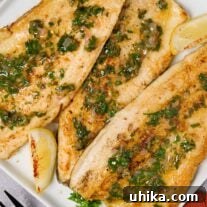
Easy Trout Meunière
Lynne Webb
10 minutes
15 minutes
25 minutes
4
servings
Rate Recipe
Print Recipe
Ingredients
- 4 rainbow trout fillets, about 6 ounces each
- 3/4 cup all-purpose flour
- 1 teaspoon salt
- 1/2 teaspoon sweet paprika
- 1/4 teaspoon onion powder
- Freshly ground black pepper (to taste)
- 1 tablespoon olive oil
- 6 tablespoons unsalted butter, divided
- 1-1/2 tablespoons minced shallots
- 2 tablespoons freshly squeezed lemon juice
- 4 tablespoons chopped fresh parsley
- 4 lemon wedges (for garnish)
Instructions
-
1. Preheat your oven to 200°F (95°C) and line a baking sheet with aluminum foil for easy cleanup. This will keep your cooked fish warm.
-
2. In a shallow dish, combine the flour, salt, paprika, onion powder, and a few grinds of fresh black pepper. Dredge each trout fillet in this seasoned flour mixture, ensuring it’s evenly coated, then gently shake off any excess.
-
3. Heat a large frying pan or skillet over medium-high heat. Add the olive oil and 2 tablespoons of the unsalted butter.
-
4. As soon as the butter begins to sizzle and foam, carefully add 2 trout fillets to the pan, skin-side up. Cook until they are beautifully golden brown on the first side, which typically takes 1 1/2 to 2 minutes. Flip them over carefully and continue cooking for another 1 1/2 to 2 minutes, or until the fish is cooked through and flakes easily.
-
5. Transfer the cooked fillets to the prepared baking sheet in the preheated oven to keep them warm. Repeat the cooking process with the remaining 2 fillets.
-
6. Reduce the heat on the pan to medium. Add 1 tablespoon of the remaining butter. Add the minced shallots and sauté, stirring occasionally, until they are soft and translucent, about 1 1/2 minutes.
-
7. Add the remaining 3 tablespoons of butter to the pan. Melt the butter and stir gently. As it begins to foam, watch carefully as the milk solids separate and sink to the bottom, starting to change color.
-
8. When the milk solids achieve a light golden-brown color and a distinct nutty, toasted aroma, immediately remove the pan from the heat. Whisk in the freshly squeezed lemon juice and stir in the chopped fresh parsley. The lemon juice will help stop the browning process.
-
9. To serve, arrange individual fish fillets on plates, generously drizzle them with the warm brown butter sauce, and garnish with fresh lemon wedges. Serve immediately for the best flavor and texture.
Notes
Tips for Success: Achieving the Perfect Brown Butter Sauce
A truly delicious meunière relies heavily on a perfectly executed brown butter sauce. Keep these tips in mind:
- USE A LIGHT-COLORED PAN: A light-colored pan makes it significantly easier to observe the subtle color changes as the butter browns, helping you achieve the ideal hue without burning.
- START WITH COLD BUTTER: Cutting cold butter into evenly sized pieces ensures it melts at a consistent rate, reducing the risk of uneven browning and hot spots.
- WATCH CAREFULLY: Brown butter progresses rapidly through several stages. Never leave it unattended. First, it foams as water evaporates. Then, milk solids sink and begin to toast. Stirring or swirling the pan occasionally promotes even cooking of these solids.
- STOP COOKING AT THE RIGHT TIME: The moment the milk solids turn a light, golden-brown color and emit a rich, toasted aroma, remove the pan from the heat immediately. Brown butter can go from perfect to burnt in a matter of seconds, so attentiveness is crucial.
Nutrition Information (Approximate)
Calories:
411
,
Total Fat:
26
g
,
Cholesterol:
139
mg
,
Sodium:
769
mg
,
Carbohydrates:
9
g
,
Fiber:
1
g
,
Sugar:
1
g
,
Protein:
34
g
Nutrition information is automatically calculated, so should only be used as an approximation.
Enjoyed this recipe? Please consider rating and leaving a comment below!