
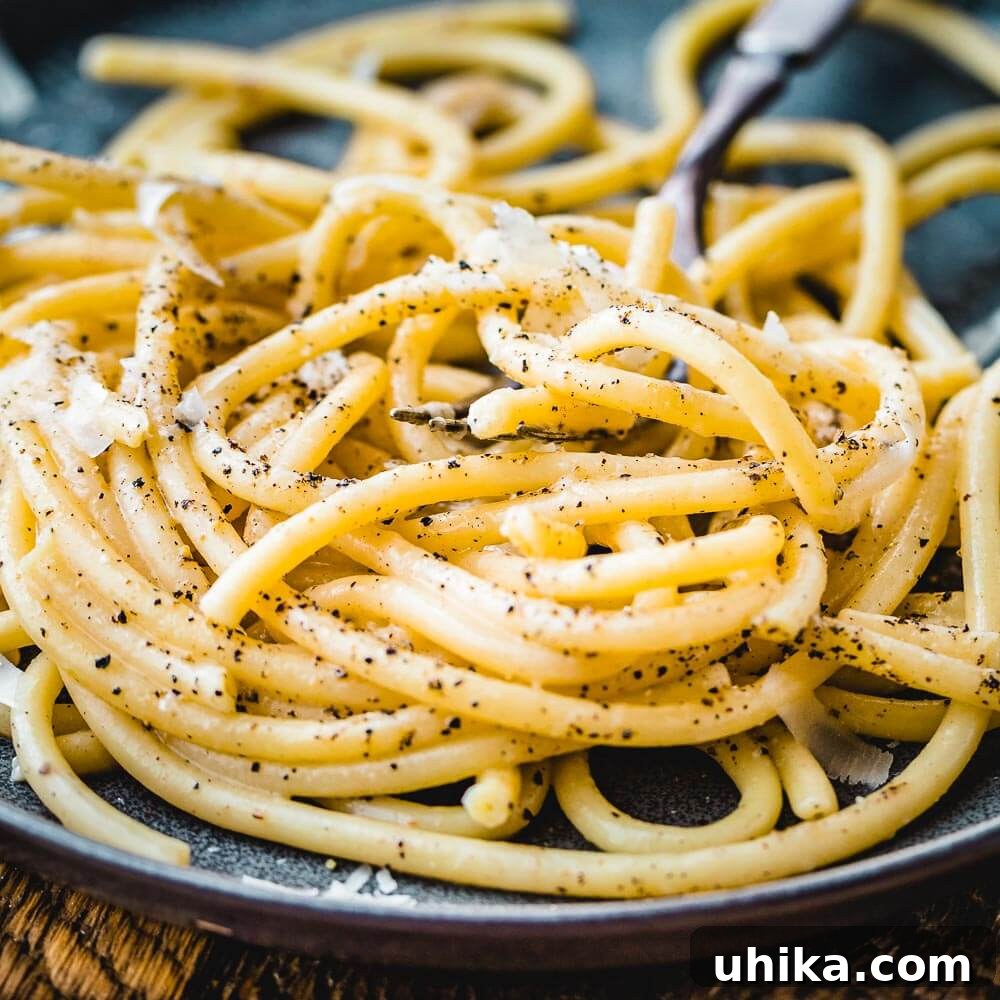
Cacio e Pepe, meaning “cheese and pepper,” is far more than just a simple pasta dish; it’s a culinary philosophy, a testament to the power of a few quality ingredients transformed into something extraordinary. Hailing from the heart of Rome, this iconic pasta has captivated palates worldwide with its intensely creamy, subtly spicy, and deeply satisfying character. While its minimalist nature might suggest ease, mastering the perfect Cacio e Pepe is a delightful challenge, a true test of technique and patience. But fear not, aspiring Italian chefs! With our comprehensive guide and step-by-step visuals, you’ll gain the confidence to recreate this comforting Roman classic, transforming humble Pecorino Romano, black pepper, and pasta into a velvety masterpiece. The beauty of Cacio e Pepe lies in practice – the more you make it, the more intuitive the process becomes, and the better your results will be. Prepare to indulge in one of Italy’s most beloved pasta dishes!
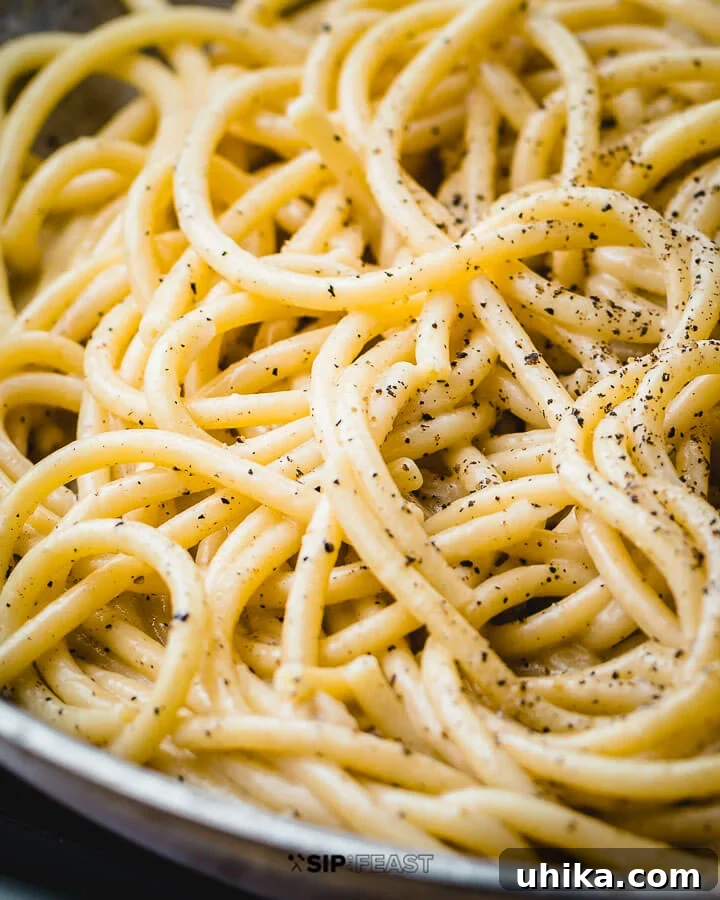
When we prepare our Bucatini Cacio e Pepe, a cornerstone of traditional Roman cuisine, it’s a dish meant for immediate enjoyment. We often gather around the kitchen, serving it straight from the pan to ensure every strand of pasta retains its luscious, creamy coating before it cools and the sauce begins to lose its silken consistency. This isn’t a dish designed for takeout, or to be stored as leftovers and reheated the following day. Its magic lies in the moment.
Like its equally famous Roman counterparts – the savory Carbonara, the robust Amatriciana, the simple yet profound Alla Gricia, and the decadent Pasta alla Zozzona – Cacio e Pepe demands to be savored, devoured, and celebrated the very instant it’s ready. It’s an experience, not just a meal.
The Roman Pasta Legacy: Simplicity, Flavor, and History
Cacio e Pepe stands as one of Rome’s “Magnificent Four” pasta dishes, alongside Carbonara, Amatriciana, and Gricia. Each of these recipes embodies the essence of Roman cuisine: few ingredients, maximum flavor. These dishes arose from the practical needs of shepherds and laborers, utilizing readily available, non-perishable staples like hard cheese, cured pork, black pepper, and pasta. Cacio e Pepe, in particular, showcases the brilliance of transforming these humble elements into a dish of profound elegance and comfort. Its history stretches back centuries, a true testament to Italian culinary ingenuity.
Why Bucatini for Cacio e Pepe? Exploring the Perfect Pasta Choice
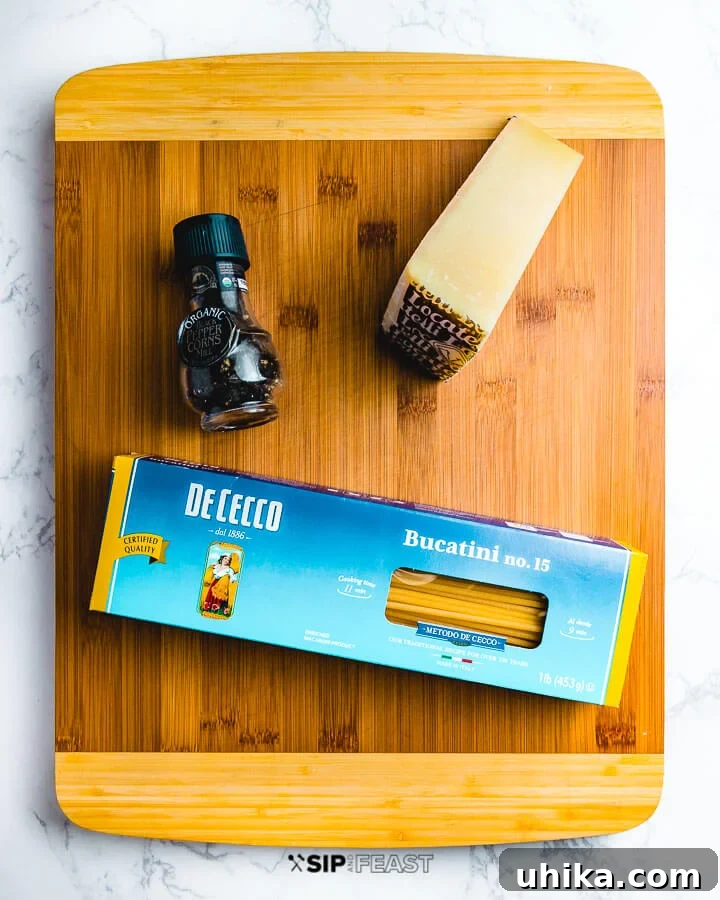
While Cacio e Pepe can be made with various pasta shapes, bucatini is often considered the ideal choice, especially in Rome. Bucatini, which translates to “pierced,” is a thick spaghetti-like pasta with a hollow center. This unique shape allows it to capture and hold the creamy Cacio e Pepe sauce not only on its exterior but also within its core, providing an incredible burst of flavor with every bite. Its robust texture also stands up beautifully to the rich sauce, ensuring a satisfying mouthfeel. Other excellent options include tonnarelli (a square-cut pasta) or even classic spaghetti, but for an authentic Roman experience, bucatini is unmatched.
The Essential Ingredients: Unlocking the Secret to Authentic Cacio e Pepe
The magic of Cacio e Pepe lies in its minimal yet potent ingredient list. Achieving perfection means paying close attention to the quality and preparation of each component.
Pecorino Romano: The Salty Heart of the Dish
No Cacio e Pepe is complete without authentic Pecorino Romano cheese. This hard, salty sheep’s milk cheese is a protected designation of origin (PDO) product, meaning it can only be produced in specific regions of Italy (Lazio, Sardinia, and the Tuscan province of Grosseto). Its distinct pungent, salty, and sharp flavor profile is absolutely crucial for the dish. Do not substitute with Parmesan (Parmigiano Reggiano), as its milder, nuttier notes will drastically change the character of the sauce. Always opt for a high-quality wedge of Pecorino Romano and grate it yourself just before use for the freshest flavor and best melting consistency. The finer you grate it, the easier it will emulsify into a smooth sauce.
Freshly Ground Black Pepper: The Aromatic Backbone
Black pepper isn’t just a seasoning in Cacio e Pepe; it’s a star ingredient, offering warmth, spice, and aromatic depth. Using freshly ground, coarse black pepper is non-negotiable. Pre-ground pepper lacks the vibrant essential oils and complex aroma that whole peppercorns provide. Toasting the coarsely ground pepper in a little olive oil (or butter) before adding the pasta water amplifies its fragrance and releases its full flavor potential, creating a delightful spicy kick that balances the richness of the cheese.
The Magic of Starchy Pasta Water: The Unsung Hero
Perhaps the most critical, yet often overlooked, ingredient in Cacio e Pepe is the starchy water left over from cooking the pasta. This cloudy liquid is packed with emulsifying starches released by the pasta during cooking. When combined with the finely grated Pecorino Romano and the pepper-infused oil, it creates the silky, creamy sauce that coats every strand of pasta. The starch acts as a binding agent, preventing the cheese from clumping and helping it melt into a smooth, luxurious emulsion. A key tip: use slightly less water than usual to boil your pasta to achieve an even starchier cooking liquid.
Mastering the Art: Step-by-Step Cacio e Pepe Perfection
- Cook the Bucatini: Bring a large pot of water to a rolling boil. Add a generous amount of salt (the pasta water should taste like the sea). Add 1 pound of bucatini and cook according to package directions until perfectly ‘al dente’ – firm to the bite. Before draining, make sure to reserve at least 1 to 1.5 cups of the starchy pasta water. Pro Tip: To achieve extra starchy water, use slightly less water than you normally would to boil your pasta. This concentrated starch is crucial for a creamy sauce.
- Prepare the Cheese: While the pasta cooks, finely grate 2 cups of high-quality Pecorino Romano cheese. Grating it on the finest setting is essential, as this helps it melt smoothly without clumping. Alternatively, you can use pre-grated ultra-fine Pecorino Romano.
- Toast the Pepper: Heat a large, wide skillet or pan over medium heat. Add 1 tablespoon of good quality olive oil. Once shimmering, add 2 teaspoons of freshly coarse-ground black pepper. Cook for 1-2 minutes, stirring constantly, until the pepper becomes fragrant and slightly toasty. Be careful not to burn it.
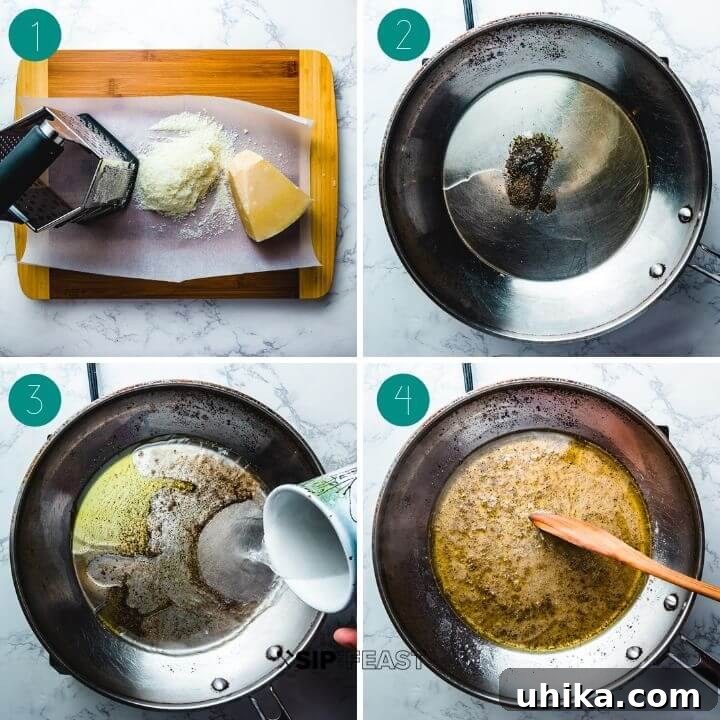
- Create the Pepper Base: Add 1 cup of the reserved starchy pasta water to the pan with the toasted pepper. Let it simmer gently for about a minute, allowing the flavors to meld and the liquid to slightly reduce.
- Combine Pasta and Pepper Water: Using tongs, transfer the cooked bucatini directly into the pan with the pepper-infused water. Toss the pasta vigorously to coat it evenly. This step allows the pasta to absorb some of the peppery liquid.
- Turn Off the Heat: Crucially, turn off the heat completely before adding the cheese. This slight reduction in temperature is vital to prevent the Pecorino Romano from clumping and ensures it melts into a smooth, emulsified sauce.
- Emulsify with Cheese: Slowly begin adding 1.5 cups of the finely grated Pecorino Romano cheese to the pan, stirring immediately and vigorously with a wooden spoon or tongs. The key is continuous and rapid stirring to create a smooth, creamy sauce.
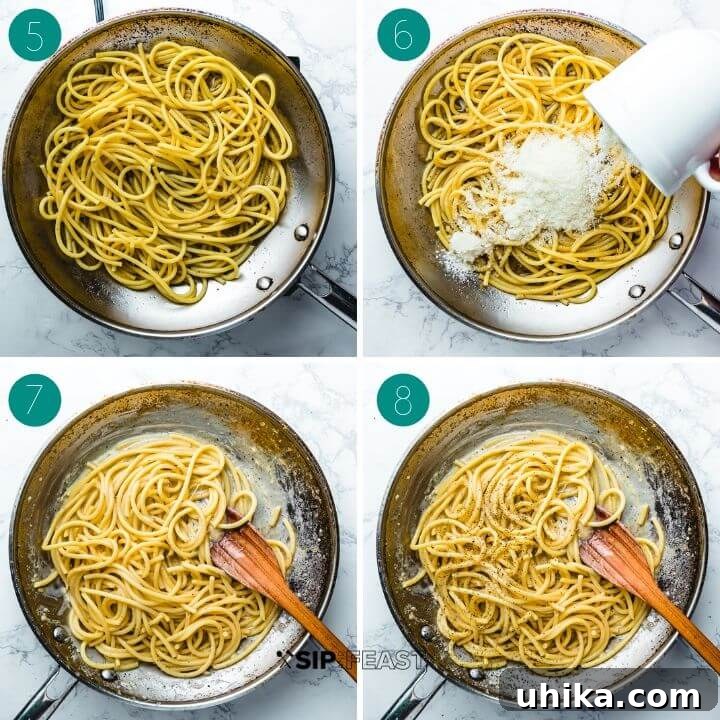
- Achieve Creamy Consistency: Continue stirring until the Cacio e Pepe is wonderfully creamy and the cheese has melted into a smooth, glossy sauce that perfectly clings to the pasta. If the sauce appears too thick or dry, add 1-2 tablespoons of extra reserved pasta water (ideally slightly cooled) at a time, continuing to stir rapidly, until you reach the desired consistency.
- Final Seasoning and Serve: Finish the pasta with another generous grind of fresh black pepper. Taste test and adjust salt if necessary (Pecorino Romano is naturally salty, so you may not need more). Plate immediately and serve with an additional sprinkle of Pecorino Romano and black pepper. Enjoy your perfectly crafted Cacio e Pepe without delay!
Expert Tips for Cacio e Pepe Perfection
- Temperature Control is Key: Always turn off the heat after adding the pasta to the pan and before incorporating the cheese. This slight cooling of the pan’s temperature is critical to prevent the cheese from seizing and clumping, allowing it to emulsify into a smooth, velvety sauce.
- Fine Grate, Flawless Melt: Ensure your Pecorino Romano cheese is grated as finely as possible. Ultra-fine grating, or purchasing pre-grated fine cheese, significantly aids in quicker and smoother melting, leading to a superior emulsion.
- The Oil Debate: While traditional Cacio e Pepe contains only cheese, pepper, and pasta water, a tiny touch of olive oil (as in this recipe) or butter can help the sauce emulsify more easily and add a glossy finish. Be aware this is a minor deviation from the strictest tradition, so the “authenticity police” might take note – consider yourself warned!
- Stir with Vigor: As soon as the cheese hits the pasta, stir quickly and continuously with a wooden spoon or tongs. If you have a helper, one person can slowly add the cheese while the other mixes rapidly, ensuring a smooth, clump-free sauce.
- Mastering Sauce Consistency: If your pasta sauce becomes too dry, don’t despair! Add reserved pasta water 1-2 tablespoons at a time, stirring constantly after each addition. This will bring back that perfect creamy consistency to your bucatini Cacio e Pepe.
- The “Bowl Method” for Beginners: If you’re struggling with emulsification in the pan (it often takes a few tries to get it right!), try the “bowl method.” In a separate bowl, whisk together the finely grated Pecorino Romano with a few tablespoons of warm (not boiling) reserved pasta water and a pinch of pepper until it forms a thick, smooth paste. Then, add your cooked pasta to this paste and toss to coat, gradually adding more pasta water as needed. This method can offer more control for newcomers.
- Embrace Imperfection (and Practice): Don’t be discouraged if your first attempt isn’t perfect. Cacio e Pepe requires a delicate balance and some practice to master. Each try is a step towards perfection, and the journey of learning to cook is part of the joy!
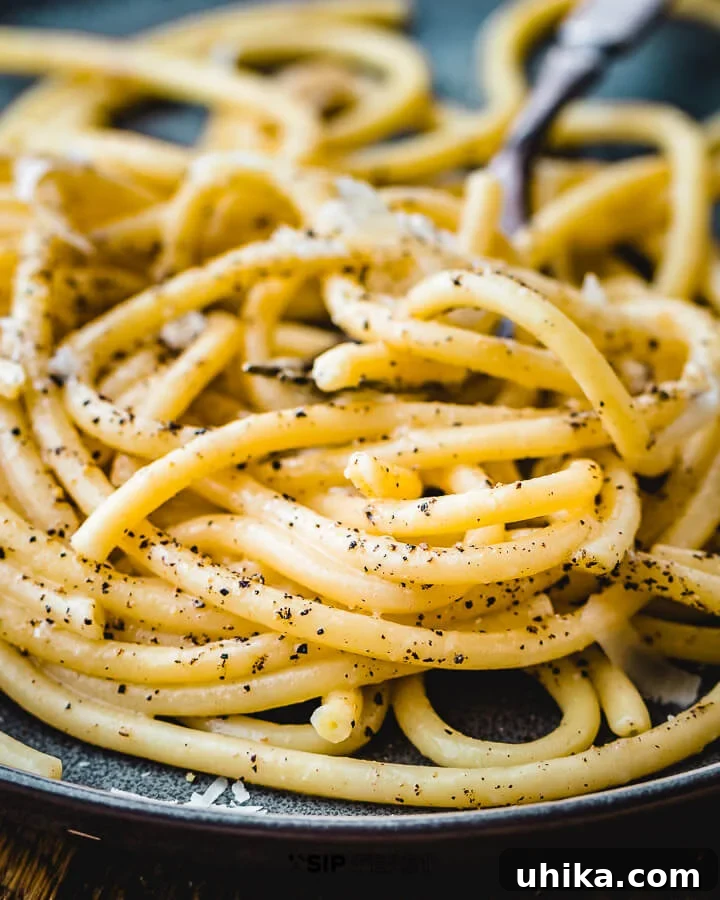
Serving Suggestions: Elevate Your Cacio e Pepe Experience
Cacio e Pepe is a rich and satisfying dish that truly shines on its own. However, a few thoughtfully chosen accompaniments can enhance the meal without overpowering its delicate balance. Consider serving it with a light, crisp green salad dressed with a simple vinaigrette to provide a refreshing contrast. A basket of crusty Italian bread is perfect for soaking up any leftover sauce. For wine enthusiasts, a glass of crisp, dry white wine like a Frascati or a Vermentino, or even a light-bodied red such as a young Chianti, would beautifully complement the dish’s flavors.
Explore More Creamy Pasta Delights
If you love the rich, comforting texture of Cacio e Pepe, you’ll undoubtedly enjoy these other fantastic creamy pasta recipes from our collection:
- Classic Fettuccine Alfredo
- Indulgent Creamy Garlic Mushroom Pasta
- Hearty Italian Sausage Pasta with Cream Sauce
If you’ve enjoyed preparing and tasting this exquisite Bucatini Cacio e Pepe Recipe, we would be delighted if you could share your experience by giving it a 5-star rating. Your feedback helps us share more delicious recipes!
Stay connected with us and explore more culinary adventures! Watch our cooking demonstrations on YouTube, follow along on our Facebook Page, and unlock access to exclusive full-meal videos and premium content by becoming a valued Patreon member. We love sharing our passion for food with you!
Bucatini Cacio E Pepe
Pin
Ingredients
- 1 pound bucatini pasta
- 2 cups Pecorino Romano cheese, finely grated
- 2 tsp freshly coarse-ground black pepper
- 1 Tbsp extra virgin olive oil
Want To Save This Recipe?
Enter your email and we’ll send it to you. Plus, get great new recipes from us every week!
Instructions
-
Cook bucatini until ‘al dente’ in generously salted water. Reserve at least 1 to 1.5 cups of the starchy pasta water before draining.
-
Finely grate 1 1/2 cups of Pecorino Romano cheese. The finer the grate, the smoother your sauce will be.
-
In a large, wide pan, heat 1 Tbsp of olive oil over medium heat. Add 2-3 tsp of coarse black pepper and toast for 1-2 minutes until fragrant. Then, add 1 cup of the reserved starchy pasta water to the pan and let it simmer for an additional minute.
-
Transfer the cooked bucatini directly to the pan with the pepper and water mixture. Toss thoroughly to coat the pasta. After about 1 minute of tossing, turn off the heat to the pan.
-
Gradually add the finely grated Pecorino Romano cheese, stirring continuously and vigorously with a wooden spoon or tongs. Mix quickly in a circular motion to create a smooth, creamy sauce that thoroughly coats the pasta. If the sauce appears too thick or dry, add 1-2 Tbsp of the remaining reserved pasta water at a time, mixing well after each addition, until the perfect creamy consistency is achieved.
-
Taste the pasta and adjust seasoning if required. Serve immediately, garnished with more freshly ground black pepper and Pecorino Romano. Enjoy this authentic Roman delicacy without delay!
Notes
- Crucial Temperature Management: Always turn off the heat after adding the pasta to the pan and just before adding the cheese. This temperature drop is essential for preventing the Pecorino Romano from clumping and ensures it melts into a perfectly smooth, emulsified sauce.
- Finely Grated Cheese is Non-Negotiable: For the silkiest sauce, ensure your Pecorino Romano is grated as finely as possible. A fine grate allows the cheese to melt quickly and integrate seamlessly with the starchy pasta water.
- The Role of Olive Oil: While not strictly traditional, a small amount of olive oil helps to bloom the pepper’s flavor and can aid in the emulsification process, contributing to a more stable and glossy sauce. Some cooks also use a tiny bit of butter for this purpose.
- Vigorous Stirring for Emulsification: Once the cheese is added, stir quickly and constantly. This vigorous agitation helps the cheese, pepper, and pasta water come together to form the characteristic creamy Cacio e Pepe sauce. Don’t be shy with your stirring!
- Adjusting Sauce Consistency: If your sauce becomes too dry, add reserved pasta water sparingly (1-2 tablespoons at a time), stirring well after each addition until your desired creamy texture is achieved. Always use warm, but not boiling, pasta water for best results.
- The “Bowl Method” for Success: For those new to Cacio e Pepe, or if you encounter issues with clumping, try mixing the finely grated Pecorino Romano with a few tablespoons of warm reserved pasta water in a separate bowl to form a thick paste. Then, add your cooked pasta to this paste, tossing to coat, and adding more pasta water as needed. This method can offer more control.
- Best Served Immediately: Cacio e Pepe is a dish designed for instant gratification. Leftovers are generally not recommended as the sauce tends to separate and lose its creamy texture upon reheating. Enjoy it fresh for the true Roman experience.
Nutrition
Nutrition information is automatically calculated, so should only be used as an approximation.
Did you enjoy this recipe? We’d love to hear from you! Leave a comment below!Connect with us on Instagram at @sipandfeast or tag your culinary creations with #sipandfeast!