
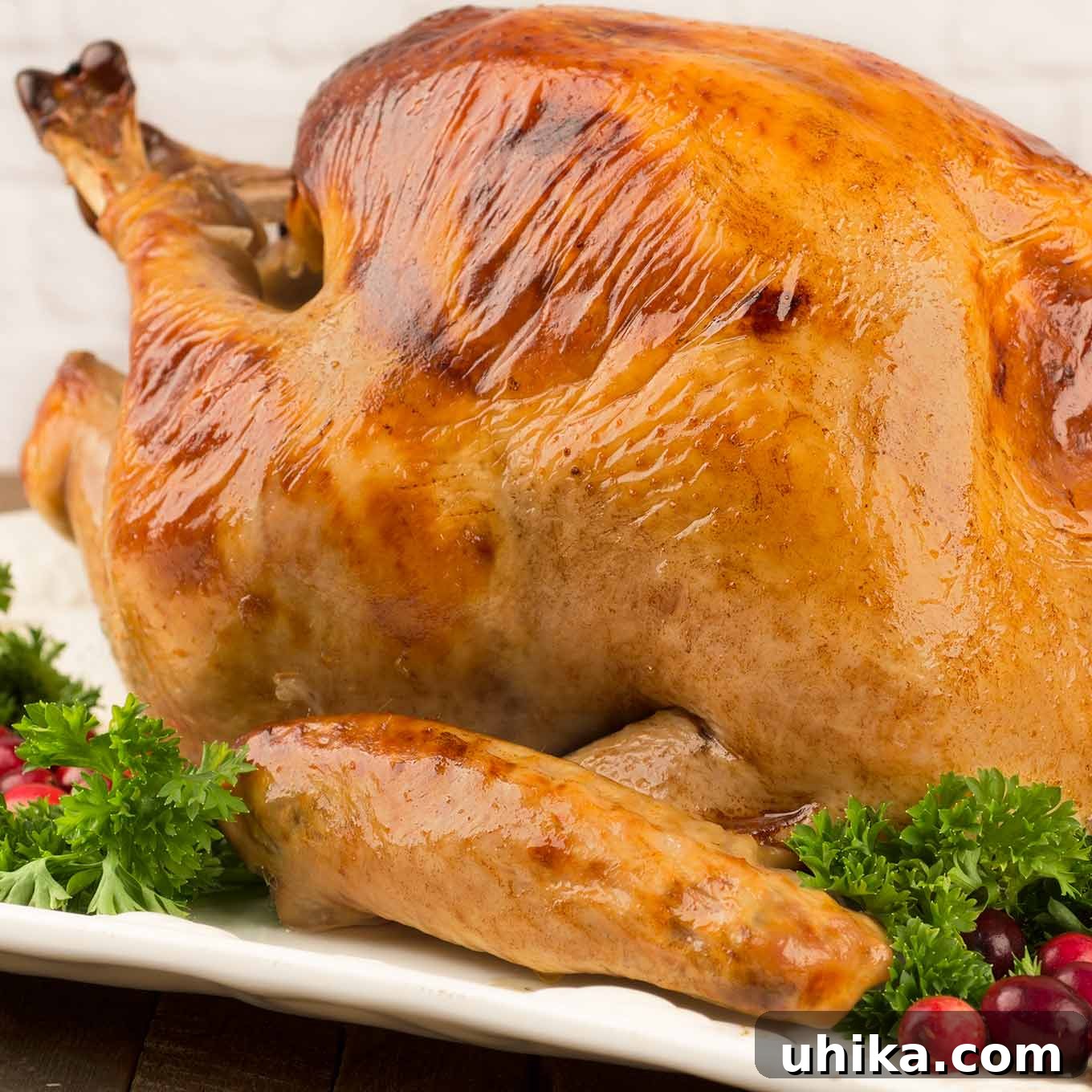
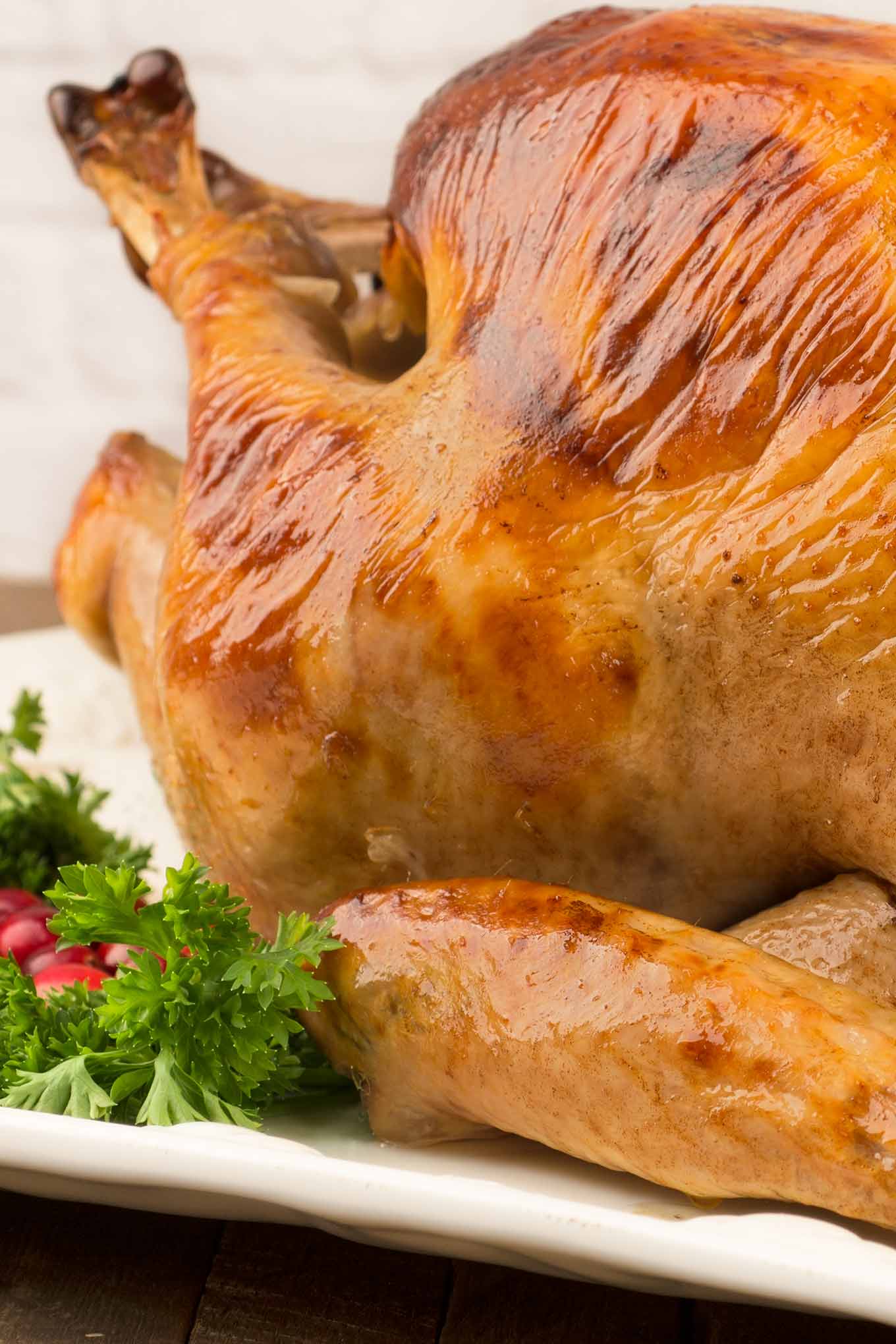
For generations, buttermilk has been a cherished secret in Southern kitchens, renowned for its incredible ability to tenderize meats, particularly in classic fried chicken recipes. Given its proven track record, it was only a matter of time before home cooks and professional chefs alike began experimenting with buttermilk as a primary ingredient for brining turkey. The concept promised a bird that was not only exceptionally moist but also imbued with a subtle, tangy flavor that elevates the traditional holiday roast to new heights.
Our culinary journey led us to rigorously test this buttermilk brining method on two distinct types of turkey. First, we applied our meticulously crafted brine to a minimally processed fresh turkey, expecting excellent results. Second, we challenged the brine with a frozen turkey that had already been injected with a broth solution, a common practice by producers that can often lead to concerns about excessive saltiness in brined birds. The outcomes were nothing short of remarkable: both turkeys emerged from the oven succulently moist, incredibly tender, and bursting with flavor, all without the unwelcome salinity that can sometimes plague brined poultry. This success is particularly good news for those who might not have access to an unprocessed turkey but still aspire to achieve a perfectly brined, flavorful centerpiece for their holiday table.
How To Choose The Perfect Turkey For Brining
Selecting the right turkey is the first crucial step towards a successful brine. Ideally, our top recommendation for brining is a fresh, minimally processed bird. These turkeys contain fewer added solutions, giving you complete control over the flavor and moisture infusion from your brine. However, we understand that minimally processed fresh turkeys are not always readily available, especially during peak holiday seasons. If your only option is a frozen turkey, don’t despair! With a few simple adjustments, you can still achieve outstanding results.
Most frozen turkeys on the market are “pre-basted” or “enhanced,” meaning they have been injected with a solution, typically a blend of turkey broth, salt, and seasonings. This solution can constitute anywhere from 7% to 8% of the bird’s total weight. When using our buttermilk brine for such a turkey, it’s absolutely essential to adjust the salt content in our recipe. To prevent your turkey from becoming overly salty, reduce the kosher salt in the brine mixture from 2 tablespoons to just 2 teaspoons. This small but significant change will ensure your turkey remains perfectly seasoned, moist, and tender. Always check the turkey label carefully for its processing details.
Note: We strongly advise against brining a turkey that contains a solution higher than 8% of its total weight. These birds are often too heavily pre-salted, and adding further brine could result in an unpleasantly salty flavor profile that even thorough rinsing cannot rectify. For these types of turkeys, consider other cooking methods that don’t involve additional brining.
The Science Behind Buttermilk Brining for Unparalleled Juiciness
Brining is a culinary technique rooted in osmosis and diffusion, where salt and other flavors penetrate the meat, altering its protein structure to allow it to hold onto moisture more effectively during cooking. While traditional salt brines are effective, buttermilk takes this process a step further, offering unique benefits that contribute to superior tenderness and a richer flavor profile.
Buttermilk, an acidic dairy product, contains lactic acid and enzymes that work wonders on poultry. The lactic acid gently breaks down the tough muscle fibers in the turkey, much like a marinade, resulting in remarkably tender meat. Simultaneously, the enzymes further contribute to this tenderization, ensuring that every bite is incredibly succulent. This dual action of tenderizing and moisture retention, combined with the subtle tang of buttermilk, results in a turkey that is not just juicy but also wonderfully flavorful and tender throughout, far surpassing what a simple salt brine can achieve. The result is a turkey that is moist from the inside out, making it an ideal choice for any holiday feast or special occasion.

What Goes In Our Special Buttermilk Brine
Our signature buttermilk brine is a carefully balanced blend of ingredients designed to infuse your turkey with exceptional flavor and moisture. It begins with the star ingredient, buttermilk, known for its tenderizing properties and characteristic tang. Honey is added not only for a touch of sweetness but also to aid in achieving that coveted golden-brown, crispy skin during roasting. Aromatic whole spices, including allspice and peppercorns, contribute a warm, complex depth, while fresh herbs like rosemary, thyme, and sage impart earthy, fragrant notes. Finally, fresh orange peel brightens the entire mixture with a citrusy zest, creating a truly unforgettable brine.
Buttermilk and Honey Brined Turkey
By Lynne Webb
Our kitchen-tested buttermilk turkey brine produces a juicy, flavorful bird and, with a few adjustments, can be used on both fresh and frozen turkeys.
Rated 4.43 out of 5 stars by 57 users.
Prep: 15 mins | Cook: 2 hrs 45 mins | Total: 3 hrs
Servings: 6 to 8 servings with leftovers
Pin Recipe
Rate Recipe
Print Recipe
Ingredients
Brine Ingredients:
- 6 cups water
- 2 tablespoons kosher salt, reduce to 2 teaspoons if using an injected turkey
- 3 tablespoons sugar
- 1/4 cup honey
- Peel from 1 orange, cut into strips
- 3-1/2 to 4 quarts buttermilk
- 1 tablespoon whole allspice
- 1 tablespoon whole peppercorns
- 4 sprigs fresh thyme
- 3 sprigs fresh rosemary
- 12 sage leaves
Turkey and Pan Gravy Ingredients:
- 10 to 12 lb turkey, see buying tips above
- 1 fresh orange, cut into eighths
- 2 sprigs rosemary
- 3 sprigs thyme
- 8 fresh sage leaves
- 3 tablespoons butter, softened
- Salt and freshly ground black pepper
- 4 to 6 cups chicken broth, divided
- 1/4 cup cornstarch
Instructions
Brining:
- Place the water, salt, sugar, honey and orange peel in a saucepan and bring to a boil. Cook for 2 minutes, stirring to dissolve the sugar and salt. Remove from the heat and allow to cool completely to room temperature.
- Remove the neck, giblets, liver, etc. from the turkey cavity and reserve them for making gravy or stock. If using a frozen turkey, ensure it has defrosted completely before proceeding. Rinse the bird thoroughly, both inside and out, and pat it completely dry with paper towels. Place the whole allspice, peppercorns, thyme, rosemary, and sage inside the turkey cavity. Carefully transfer the prepared bird into a large, food-safe plastic bucket or a specialized brining bag.
- Combine the cooled water-salt-sugar mixture with 1 quart of the buttermilk, then pour this into the bucket or bag containing the turkey. Add at least 2-1/2 additional quarts of buttermilk. It is crucial to ensure the turkey is fully submerged in the liquid and that its cavity is also filled with the brine. If the turkey is not completely covered, add more buttermilk until it is. Cover the container tightly and refrigerate for up to 18 hours.
- Once the brining time is complete, carefully remove the turkey from the brine. Rinse the turkey thoroughly under cold running water to remove any excess brine and spices, both inside and out. Pat the turkey completely dry with paper towels; a dry skin promotes crispier results. Discard all the brining liquid. Season the turkey cavity lightly with salt and pepper, then place the fresh orange pieces, rosemary, thyme, and sage inside. Tie the ends of the drumsticks together with kitchen twine to help the turkey cook more evenly. Let the turkey rest at room temperature for about 1 hour before roasting; this helps ensure even cooking.
Roasting:
- Preheat your oven to 400°F (200°C). Prepare a sturdy roasting pan and rack by spraying them thoroughly with a nonstick cooking spray to prevent sticking and make cleanup easier.
- Once the turkey has lost its refrigerated chill and come closer to room temperature, take approximately 1/2 tablespoon of the softened butter and carefully work it under the skin on each side of the turkey breast. Gently massage the breast from the outside to distribute the butter as evenly as possible. Take the remaining softened butter and generously rub it over the entire outer skin of the breast and each of the drumsticks. This butter will help the skin crisp and brown beautifully.
- Place the buttered turkey on the roasting rack, breast side up. To prevent the breast from drying out and browning too quickly, form a piece of heavy-duty aluminum foil into a v-shape. Drape this foil tent over the entire turkey breast, ensuring it shields the delicate breast meat. Spray the foil very thoroughly with nonstick cooking spray to prevent it from sticking to the turkey skin.
- Pour 2 cups of chicken broth into the bottom of the roasting pan. This broth will add moisture to the oven environment and contribute to flavorful pan drippings. Place the turkey in the preheated oven. Roast at 400°F (200°C) for the first 30 minutes to get a good initial browning on the skin. After 30 minutes, lower the oven temperature to 325°F (160°C) and continue to roast for an additional 1-1/2 to 2 hours. Baste the turkey with the accumulating pan juices every 45 minutes to keep it moist and enhance flavor. Remove the aluminum foil shield from the breast for the final 45 minutes of cooking to allow the skin to crisp and achieve a rich golden-brown color.
- Test for doneness after a total of 2 hours of cooking time using a reliable meat thermometer. Insert the thermometer into the thickest part of the thigh, making sure it doesn’t touch any bone. When the turkey is done, the internal temperature should register 165°F (74°C). Once it reaches this temperature, carefully remove the turkey from the oven. Transfer it to a large cutting board or serving platter and allow it to rest, loosely tented with foil, for a minimum of 20 minutes before carving. This resting period is crucial for the juices to redistribute throughout the meat, ensuring every slice is incredibly juicy and tender.
Easy Pan Gravy:
- While your magnificent turkey is resting, turn your attention to creating a rich and flavorful gravy from the pan drippings. Carefully skim any excess fat from the pan juices collected in the roasting pan, leaving behind the flavorful liquid. Add enough chicken broth to the pan juices to achieve a total of 3 cups of liquid. Transfer this liquid to a medium saucepan and bring it to a gentle simmer over medium heat. In a small separate bowl, whisk together 1/4 cup of cornstarch with 1/3 cup of cold water until a smooth slurry forms. Gradually whisk this cornstarch slurry into the simmering broth in the saucepan, continuing to whisk constantly until the gravy thickens to your desired consistency. Season the gravy generously to taste with salt and freshly ground black pepper. Once perfected, transfer the hot gravy to a serving bowl or gravy boat, ready to be poured generously over slices of your perfectly brined and roasted turkey.
Like this recipe? We encourage you to rate it and share your comments below!